
Thinking about changing your last name? Whether it’s for personal reasons, marriage, or a fresh start, you probably wonder: can you legally change your last name?
The answer isn’t always simple, and the process can feel overwhelming. But don’t worry—you’re not alone, and understanding the steps can make the journey much easier. You’ll discover what it takes to legally change your last name, what paperwork you’ll need, and the common challenges people face.
Keep reading to learn exactly how to make your new name official and avoid costly mistakes along the way. Your new identity is closer than you think!
Name Change Basics
Changing your last name involves specific legal steps. The process varies depending on your reason for the change and your location. Understanding the basics helps you navigate the system smoothly. You must know when court approval is essential and when it is not. This knowledge saves time and avoids confusion.
When Court Approval Is Needed
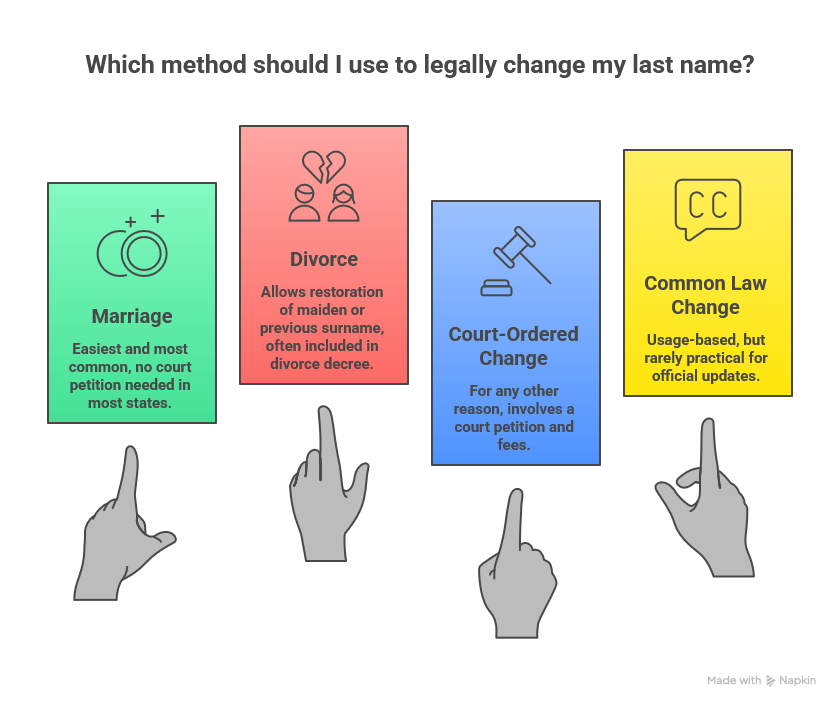
You usually need court approval to change your last name legally. This applies if you want a new name not linked to marriage or divorce. You must file a petition with your local court. The court may require a background check and a hearing. Judges look for valid reasons and check for fraud risks. Courts may deny requests if the new name causes harm or hides identity. Fees and rules differ by state, so check local laws carefully.
Common Exceptions Without Court Order
Some name changes do not need court approval. Marriage is the most common example. You can use your marriage certificate to update your last name on official documents. Divorce also allows name changes back to a previous name using the divorce decree. Adoption is another case where the court process is part of the adoption itself. These exceptions simplify the process and reduce paperwork. Always keep official documents handy for smooth updates.
Legal Process Steps
The legal process to change your last name involves clear steps. You must follow these to ensure the change is official and recognized.
Each step requires attention to detail and proper documentation. Understanding these steps helps you navigate the process smoothly.
Filing A Petition
Start by filing a petition at your local court. This document asks the court to approve your name change. You need to provide your current name, the new name, and reasons for the change.
Filing usually involves a fee. Some courts require you to fill out specific forms. Be sure to check your local court’s website for exact requirements.
Court Hearings And Decisions
After filing, the court may schedule a hearing. During the hearing, a judge reviews your petition. You might need to explain why you want to change your name.
The judge then decides if your request is valid. Approval depends on legal reasons and any objections. If approved, the court issues an order to change your name.
State-specific Rules
Each state has its own rules for name changes. Some states require you to publish your new name in a local newspaper. Others may require background checks or additional paperwork.
Fees and processing times vary by state. Check your state’s court website for specific instructions. Following these rules ensures your name change is legal and accepted everywhere.
Updating Personal Records
After legally changing your last name, updating your personal records is crucial. This step ensures your new name reflects on all official documents. Accurate records help avoid confusion and legal problems. It also allows smooth access to services and benefits tied to your identity.
Start with key government agencies. Then notify banks and employers. Organizing this process saves time and stress.
Social Security And Dmv
Update your name with the Social Security Administration first. This change is essential for tax and employment records. You must provide proof of your legal name change. Afterward, visit your local Department of Motor Vehicles. Update your driver’s license or state ID to match your new name. These updates prevent issues during travel or law enforcement checks.
Passport And Federal Agencies
Notify the State Department to update your passport. A new passport shows your new last name for international travel. Other federal agencies may require updates too. Agencies like the IRS need correct information for tax purposes. Update these records promptly to avoid delays or penalties.
Banks And Employers
Inform your bank about your name change to update accounts and checks. This step keeps your financial transactions smooth. Also, notify your employer to update payroll and benefits records. Correct records ensure you receive pay and benefits without issues. Keep copies of your legal name change documents handy for these updates.
Costs Involved
Changing your last name involves several costs that vary by state and situation. Understanding these expenses helps you prepare financially and avoid surprises. Costs include filing fees, publication requirements, and fees for replacing important documents. Each step has its own price, adding up throughout the process.
Filing Fees And Court Costs
Most states require you to file a petition with the local court. This petition usually carries a filing fee. Fees can range from $100 to $500 depending on where you live. Some courts also charge extra for hearing or processing your case. Budget for these fees before starting the legal process.
Publication Requirements
Certain states ask you to publish your name change in a local newspaper. This step helps notify the public and prevents fraud. Publication costs depend on the newspaper’s rates and can be $50 to $200. Some states waive this if you show safety concerns. Check local rules to know if you must publish your new name.
Document Replacement Fees
After legally changing your name, update official documents. This includes your driver’s license, Social Security card, and passport. Each replacement has its own fee. For example, a new driver’s license may cost $20 to $40. A passport update can be $60 or more. Plan for these fees to complete your name change fully.
Restrictions And Denials
Changing your last name may seem simple, but not all requests get approval. Courts have rules to protect against misuse. Some name changes can be denied based on legal restrictions.
These restrictions ensure names are not changed to hide identity, avoid responsibilities, or break laws. Understanding these limits helps you prepare a strong application.
Fraud And Avoiding Debts
Court often denies name changes aimed at fraud. You cannot change your name to escape debts or financial obligations. Using a new name to hide assets or avoid paying creditors is illegal. Judges look for signs of these actions before approving requests.
Criminal Records Impact
Having a criminal record can affect your request. People with felony convictions may face extra scrutiny. Courts check if the name change could help hide criminal history or mislead the public. Some states have laws restricting name changes for convicted felons.
Other Legal Limitations
Legal limits also include restrictions on offensive or confusing names. Names that promote hate or include numbers and symbols may be rejected. Courts refuse names that cause public harm or confusion. Each state has specific rules to follow.
Common Challenges
Changing your last name involves several common challenges that many people face. Understanding these obstacles can help you prepare better. The process takes effort and careful planning. It is not just about a court order but also managing many details afterward.
Many find the paperwork overwhelming. Time management becomes crucial to keep everything on track. Several agencies must be informed about the change. Each step requires patience and organization to avoid mistakes.
Paperwork And Time Management
Filing the legal request requires specific forms and documents. You must gather proof like birth certificates or marriage licenses. Courts often charge fees that vary by location. After approval, updating all your records takes more time.
Social Security, driver’s license, and passport updates are essential. Each has different processes and waiting times. Missing deadlines can cause delays or legal problems. Keeping a checklist helps track progress and deadlines.
Coordinating Multiple Agencies
Many agencies need notification about your new name. These include government offices, banks, employers, and schools. Each agency has its own rules and forms to complete. You may need to visit offices in person or submit documents online.
Some agencies require certified copies of your court order. Others may ask for additional identification. Failure to notify all relevant parties can cause confusion. Coordination demands good communication and follow-up.
Maintaining Consistency
Ensuring your new name appears the same everywhere is vital. Differences in spelling or formatting cause problems later. Consistent use on all IDs, accounts, and legal papers avoids confusion. This consistency helps with travel, banking, and legal matters.
Keep copies of your name change documents safe. You may need them to prove your identity. Regularly check that your name is updated correctly across all records. Staying organized saves time and stress in the long run.
Common Restrictions & Reasons Courts Deny (2026)
Courts can (and will) deny if:
- Fraudulent intent (evade debts, hide criminal record, impersonate someone)
- Obscene/vulgar/racial slur/offensive
- Intentionally confusing (e.g., numbers/symbols in misleading way, celebrity name to deceive)
- Harm public interest or rights of others
- Felony convictions in some states require extra scrutiny/waiting period
Most common approved reasons:
- Personal preference
- Cultural/religious reasons
- Gender identity alignment
- Simplify spelling/pronunciation
- Professional branding
After Approval: Updating Records
Once you have court order (or marriage/divorce document):
- Social Security Administration (Form SS-5) — first step (free)
- Driver’s license / state ID (DMV)
- Passport (Form DS-5504 or DS-82)
- Bank accounts, credit cards, insurance
- Voter registration
- Employer records / payroll
- Birth certificate (amended in most states)
- Professional licenses, memberships, etc.
Tip: Get 5–10 certified copies of court order (~$10–$30 each) — needed for every agency.
Tips For Smooth Changes
Changing your last name can feel complicated. Good planning helps make the process easier. Follow these tips for smooth changes and fewer hassles.
Organizing everything beforehand saves time. Knowing what to expect reduces stress. Use these simple steps to prepare well.
Preparing Documents In Advance
Gather all important papers before starting. This may include your birth certificate, ID, and proof of residency. Having documents ready speeds up the court process. Double-check for accuracy to avoid delays.
Checking State Court Resources
Each state has different rules for name changes. Visit your local court website to learn specific steps. Find forms and instructions online to guide you. Knowing state requirements helps prevent mistakes and extra trips.
Seeking Legal Assistance
Consider talking to a lawyer if unsure about the process. Legal experts can explain complex rules clearly. They help with paperwork and court appearances. Hiring help can save time and reduce errors.
Special Situations
- Minors: Parents/guardians petition; both parents usually must consent (or court decides best interest)
- Transgender/Gender Identity: Many states allow name + gender marker change together; some explicitly allow new birth date too
- Immigrants/Naturalization: Can request new name during citizenship ceremony (free)
- Sex Offenders/Convicted Felons: Extra restrictions in many states (waiting periods, notifications)
Frequently Asked Questions
Can You Legally Change Your Last Name In The Us?
You can legally change your last name in the US by filing a petition with your local court. Requirements vary by state. Courts may require a hearing and background checks. After approval, update your Social Security, DMV, passport, and other records to complete the process.
Is Changing Your Last Name Difficult?
Changing your last name involves filing a court petition, paying fees, and updating IDs and records. The process varies by state and can be time-consuming. Marriage or divorce often simplifies it, while general legal changes require more steps and patience.
How Much Is It To Change Your Last Name In Georgia?
Changing your last name in Georgia costs approximately $150 to $200 for court filing fees. Additional fees may apply for publication and certified copies.
How Much Does It Cost To Legally Change Your Last Name In The Us?
The cost to legally change your last name in the US typically ranges from $150 to $500. Fees vary by state and court. Additional costs may include publication fees and legal assistance. Check your local court’s website for exact pricing and requirements.
Conclusion
Changing your last name is possible with the right legal steps. You must follow your state’s rules carefully. Filing a petition and attending a court hearing are common requirements. After approval, updating your ID and records takes time and effort.
Patience helps during this process. Always check local court websites for accurate information. Remember, the law protects your rights but also prevents misuse. Taking these steps ensures you legally change your last name without problems.
Disclaimer: The content on this page is for general information only and should not be considered legal advice. We work hard to provide accurate and up-to-date details, but we can't guarantee the completeness or accuracy of the information. Laws and rules change often, and interpretations may vary. For specific advice, always consult a qualified legal expert. We are not liable for any actions you take based on this information. If you spot any errors or outdated content, please contact us, and we’ll update it as soon as possible.