Wearing a mask was illegal in 19th-century New York primarily to prevent tenant farmers from disguising themselves during violent anti-rent protests. Lawmakers passed the anti-mask laws in 1845 to stop groups of “Calico Indians”—farmers dressed in masks and costumes—from attacking sheriffs and tax collectors. If the farmers were in disguise, police couldn’t identify them, which made it impossible to bring them to justice. This legal response aimed to strip away the anonymity that these groups used to commit crimes.
Why wearing a mask became illegal
The legal move to ban masks was a direct reaction to the “Anti-Rent War” in the Hudson Valley. Tenant farmers were protesting against a feudal land system that forced them to pay rent to wealthy landlords for property their families had worked for generations. To hide their identities while resisting eviction or intimidating officials, they wore masks and painted their faces.
The 1845 New York law made it a misdemeanor for three or more people to gather while disguised. Police officers gained the authority to arrest anyone found in a mask or costume in public spaces. The law targeted the anonymity used by protesters rather than the masks themselves as clothing. Judges applied these rules strictly to discourage organized groups from forming in public. Local authorities used the law to break up violent crowds that were otherwise impossible to track.
If you’re dealing with a crowd of three or more, the law triggers the moment anonymity is used to obstruct legal process. If the mask is purely for religious or medical reasons, courts typically grant an exception. The most common mistake is assuming the law only applies to criminal intent. In practice, the mere act of gathering in disguise provides the legal grounds for dispersal, regardless of your specific goal.
Why Anonymity Fueled Violent Protests
The primary reason authorities pushed for these laws was the difficulty of enforcing the peace when the perpetrators remained hidden. When a mob of masked men attacked a deputy sheriff, witnesses could rarely identify the specific individuals responsible for the violence. This anonymity allowed the “Calico Indians” to operate with a sense of impunity, as they knew they could easily melt back into the community after a riot.
Legislators recognized that the mask acted as a tool for collective criminal behavior. By removing the ability to hide one’s face, the state shifted the risk back onto the individual. A person who felt safe behind a mask was much more likely to participate in illegal land seizures or assaults. Once the law made the disguise itself a crime, the risk of being recognized during an arrest became a powerful deterrent against joining such groups.
Most participants mistakenly believed that group size provided total protection from prosecution. They failed to realize that once a riot turned violent, the state would prioritize identifying leaders over general participants. If you’re assessing the risk of a protest, look at the legal threshold for “incitement” in your jurisdiction. Where the law defines masks as evidence of intent to commit a felony, simply wearing one during a disturbance can elevate a misdemeanor trespassing charge to a multi-year prison sentence.
The legal framework relied on the idea that public accountability requires visibility. If an individual chose to participate in a protest, the law demanded they do so as themselves. If a person chose to wear a mask, they were immediately flagged as a potential threat to public safety. This policy effectively ended the era of “disguised” farmer uprisings in New York by making it impossible for them to act without being seen.
Situations where wearing a mask was illegal in 19th-century New York
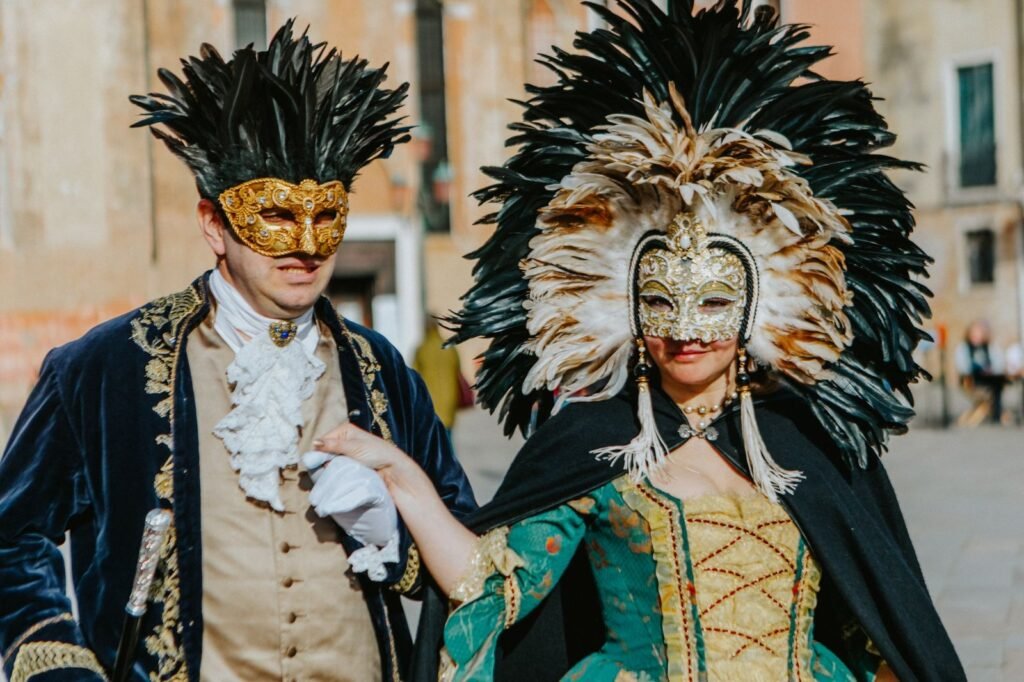
While the 1845 law was specific to New York, the application of such rules varied based on the intent of the wearer. The law wasn’t meant for theater performers or people at masquerade balls, though police discretion often determined who was harassed.
If you’re participating in a protest, the law assumes your intent is to hide your identity. Remove any face covering immediately if an officer approaches to avoid an automatic arrest.
If you’re performing, context is artistic. Carry a copy of your permit or a letter from the production company to prove you’re working.
If you’re at a masquerade ball, stay within the venue walls. Stepping onto the sidewalk in costume turns a private event into a public violation.
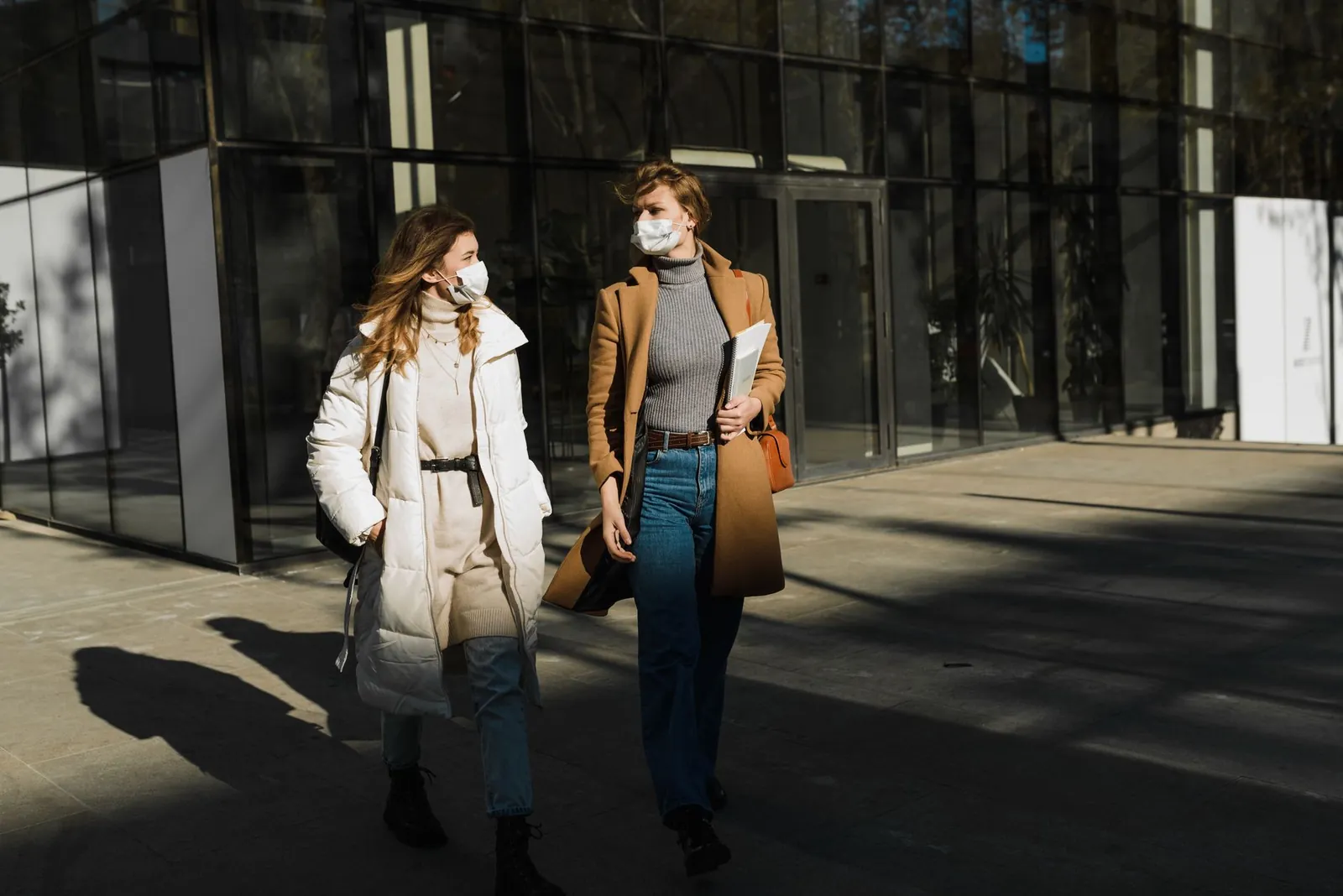
If you have a serious illness, be aware that medical documentation isn’t a guaranteed legal defense against anti-mask ordinances.
If you follow a religious custom, consult local ordinances before attending public gatherings. Some jurisdictions require a formal exemption filing to avoid fines, while others rely on an officer’s subjective assessment of your sincerity.
How to Follow Public Assembly Rules
Check local city ordinances. Before attending any public gathering, look up the current rules for your specific town or county. Many places have updated these laws to account for modern health and safety needs. Search your city’s municipal code for “parade permits” or “demonstration ordinances” to see if your group size requires a formal filing.
Identify the crowd purpose. If the event is a protest, be aware that police monitor for signs of group coordination. If you’re part of a large group, stay visible to ensure you aren’t mistaken for a threat. Avoid wearing matching tactical gear, as this often triggers a higher level of scrutiny from law enforcement.
Carry identification. Always keep a government-issued ID with you. If an officer asks about your mask, showing your identification quickly helps clarify your intent. Keep your ID in an outer pocket rather than a deep bag to avoid reaching for it in a way that might be misinterpreted.
Respect private property limits. If you’re on private land, the owner can set the rules for dress. If they ask you to remove a mask, you must do so or leave the property immediately to avoid a trespassing charge. Private businesses aren’t bound by the same free speech protections as public sidewalks.
Understand the legal definition. Most anti-mask laws focus on “disguise” rather than “protection.” If you’re wearing a mask for health reasons, it’s rarely classified as a criminal disguise unless you’re also committing an illegal act. If you’re wearing a mask during a riot or while damaging property, the mask itself becomes evidence of criminal intent.
Seek legal counsel if charged. If you’re ever cited for wearing a mask, don’t argue with police on the spot. Contact a lawyer to explain the context of your actions and to challenge the citation in court. Arguing at the scene rarely changes an officer’s mind and often leads to additional charges like disorderly conduct.
Mistakes That Ruin Your Standing

Refusing to remove a mask when a police officer asks you to identify yourself usually leads to an immediate arrest for obstruction. Officers perceive this refusal as an active attempt to conceal evidence of identity, which justifies a custodial arrest rather than a simple citation.
Assuming that a mask protects your identity during a protest is a dangerous error that often results in harsh legal penalties. Modern surveillance technology, including gait analysis and high-resolution street cameras, renders facial coverings largely ineffective against state-level identification efforts.
Wearing a mask while carrying a weapon or heavy tools makes you appear aggressive, which changes how law enforcement views your intent. If you hold a multi-tool or a heavy umbrella, keep your face visible to signal that you aren’t a threat.
Ignoring local ordinances because you believe the law is outdated can lead to unnecessary fines or a permanent criminal record. If the local code explicitly bans face coverings during public gatherings, comply immediately to avoid escalating a minor infraction into a misdemeanor charge.
Frequently asked questions
Can I be arrested for wearing a mask today?
Yes, you can be arrested if your mask is used to hide your identity while committing a crime or disturbing the peace. Modern laws are often interpreted based on the circumstances of your behavior rather than just the mask itself. If you’re simply walking down the street for health or privacy reasons, most jurisdictions don’t treat this as a criminal act, provided you follow all other public conduct codes.
Why did the law target farmers specifically?
The law targeted tenant farmers because they were the primary group using disguises to organize violent resistance against landlords in the 1840s. By dressing as “Calico Indians,” they created a unified, anonymous force that made it impossible for local sheriffs to serve legal papers or collect rents. The legislature identified this specific tactic as a direct threat to the state’s ability to maintain property rights and enforce the rule of law.
Is it safe to wear a mask during a protest?
It’s often risky to wear a mask during a protest because law enforcement may view it as an attempt to hide your identity or intimidate others. If the protest turns chaotic, the presence of masks allows police to justify aggressive crowd control tactics. If you choose to wear one, you should be prepared for increased scrutiny from authorities who are looking for potential agitators or those intent on breaking the law.
What happens if I refuse to remove my mask?
Refusing an officer’s order to remove your mask can lead to charges for obstructing governmental administration or resisting an officer. Consequences vary by local statute but often include fines or mandatory court appearances. Note that noncompliance with a lawful order is frequently treated as a more serious offense than the initial reason for the stop.
Does it matter if I am sick?
It doesn’t matter if you’re sick, provided you can prove your intent is health-related rather than criminal. If you’re stopped, calmly explain that you’re wearing the mask for medical reasons to protect yourself or others from illness. Carrying a doctor’s note or medical documentation can help verify your claim, which usually resolves the situation quickly without further legal trouble or the need for an arrest.
How long have these laws been in effect?
These laws have been in effect in various forms since the mid-19th century, though many have been updated or challenged in modern courts. While the original 1845 New York law was a specific response to the Anti-Rent War, the underlying legal principle—that the state can regulate masks to prevent crime—has persisted. You should check your state’s current penal code to see how these historical rules have been modified for the present day.
Conclusion
The history of anti-mask laws in New York shows how legal systems struggle to balance individual privacy with the need for public accountability. While the initial goal was to stop a specific wave of rural violence, the precedent set in 1845 continues to influence how authorities view masked individuals in public spaces. Always prioritize clear communication and compliance with local laws to ensure that your rights remain protected during any public activity.
Disclaimer: The content on this page is for general information only and should not be considered legal advice. We work hard to provide accurate and up-to-date details, but we can't guarantee the completeness or accuracy of the information. Laws and rules change often, and interpretations may vary. For specific advice, always consult a qualified legal expert. We are not liable for any actions you take based on this information. If you spot any errors or outdated content, please contact us, and we’ll update it as soon as possible.