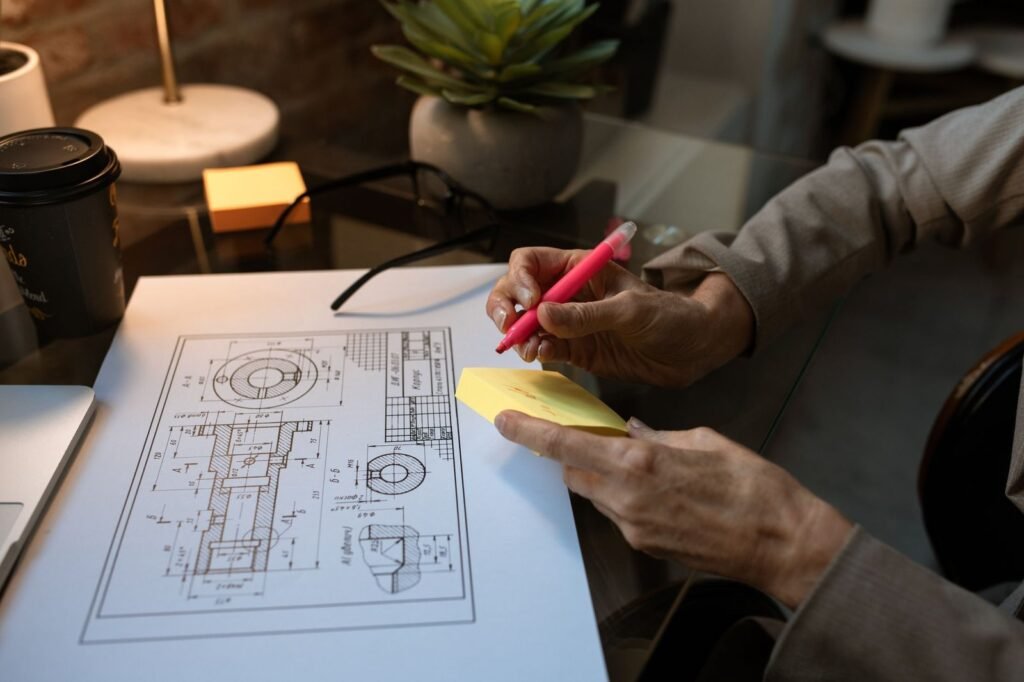
A design patent is a form of legal protection granted by the federal government that covers the unique visual ornamental characteristics of a manufactured object, rather than its functional utility. While a utility patent protects how an invention works or the way it’s manufactured, a design patent focuses exclusively on the non-functional, aesthetic appearance of the item. Securing this type of intellectual property ensures that competitors can’t copy the distinct look, shape, or surface ornamentation of your product, which is often the primary reason customers recognize and choose your brand over others. If you’re preparing to file, expect the total cost to range from $1,500 to $4,500, depending on whether you hire a patent attorney or attempt the filing process independently through the United States Patent and Trademark Office.
Key Takeaways
- Design patents cover the ornamental appearance of an item, not its underlying mechanical function or how it operates.
- To qualify, your product design must be new, original, and non-obvious compared to existing designs already on the market.
- The protection lasts for exactly 15 years from the date the patent is granted, with no possibility of renewal.
- Filing requires submitting technical drawings that clearly depict the design from multiple perspectives, as these images define the scope of your protection.
- Strategic use of design patents can prevent competitors from selling “knock-off” items that mimic your product’s unique look and feel.
What Is a Design Patent?
A design patent is an intellectual property right that protects the visual elements of a functional item. Unlike utility patents, which are meant for inventions that provide a specific technical solution, design patents serve to protect the artistic or stylistic choices made during the product development process. If your product has a unique silhouette, a specific arrangement of buttons, or a distinct surface texture, these are the elements that a design patent guards against unauthorized reproduction.
Because the focus is purely visual, the protection is narrow. If a competitor changes the shape slightly or modifies the ornamentation, they might bypass your patent. However, if they create a product that is “substantially the same” in the eyes of an ordinary observer, you have the legal standing to pursue an infringement claim. This makes design patents an essential tool for companies that rely on brand recognition and high-end aesthetics to drive sales.
How It Protects Your Product
The primary way a design patent protects your product is by granting you the exclusive right to prevent others from making, using, selling, or importing products that feature your protected design. This is especially vital in crowded markets where consumers often make purchasing decisions based on the look of a product. By securing a patent, you create a legal barrier to entry that forces competitors to innovate their own unique designs rather than simply copying yours.
The Scope of Protection
The scope of a design patent is defined almost entirely by the drawings you submit during the application process. Because there’s no written description of the design’s “function,” the visual representation is the law. If your drawings show a chair with specific curved legs, the patent protects the chair with those specific curved legs. If you omit certain features from your drawings, those features aren’t protected, which is why working with a professional illustrator or patent agent is highly recommended.
Deterrence and Litigation
Beyond the courtroom, a design patent serves as a powerful deterrent. When you display the “Patent Pending” or “Patented” mark on your packaging, you notify potential infringers that you have taken formal steps to protect your intellectual property. Most reputable companies will avoid copying a patented design to steer clear of costly litigation and the potential for a court-ordered injunction that could pull their products off store shelves entirely.
Design Patent vs Utility Patent
Understanding the difference between these two types of protections is crucial for any inventor. A utility patent is designed for the “how” of a product, while a design patent is designed for the “look.” Many successful products are protected by both: a utility patent protects the mechanical engine or chemical formula, while a design patent protects the sleek exterior casing.
| Feature | Design Patent | Utility Patent |
|---|---|---|
| Primary Focus | Ornamental appearance | Functional utility |
| Duration | 15 years from grant | 20 years from filing |
| Maintenance Fees | None | Required periodically |
| Application Cost | $1,500 – $4,500 | $5,000 – $15,000+ |
The Application Process Explained
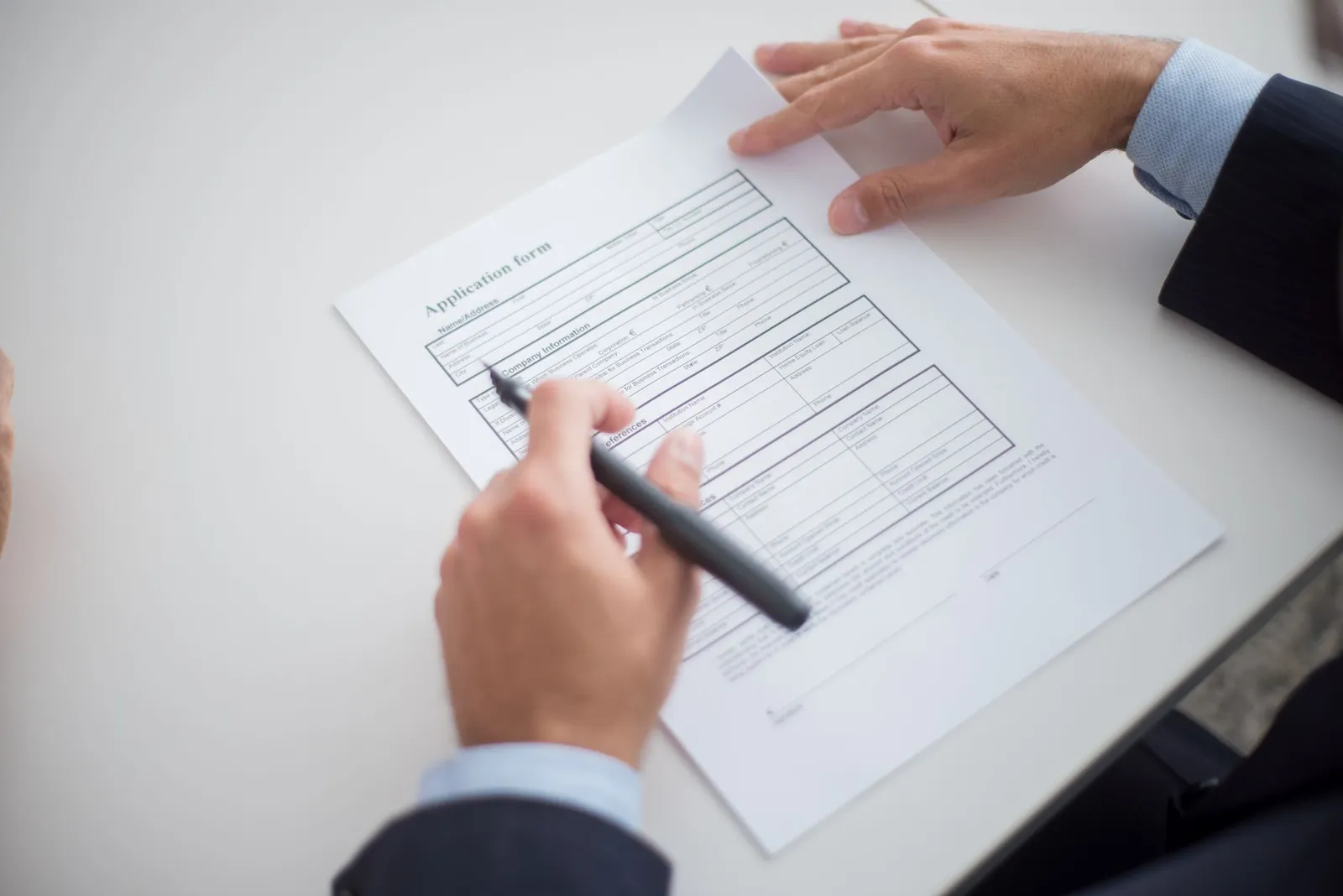
The application process for a design patent is generally considered more straightforward than that of a utility patent, but it’s still a technical endeavor. The United States Patent and Trademark Office provides a comprehensive guide detailing the necessary components of a formal submission. You must ensure that your application is complete, as even minor errors in the drawings can lead to a rejection or a narrow scope of protection that’s ineffective in court.
Preparing Technical Drawings
The heart of your application is the set of drawings. You typically need to provide multiple views, such as front, back, top, bottom, and side views, along with perspective views to provide a complete picture of the object. These drawings must be shaded appropriately to show the contours and surfaces of the design. Many inventors hire professional draftsmen who specialize in patent illustrations to ensure the drawings meet the strict requirements for line weight and clarity.
The Examination Phase
Once filed, a patent examiner will review your application to determine if the design is new and non-obvious. They will search through existing design patents and commercial products to ensure your design isn’t already in the public domain. If the examiner finds a similar design, they may issue an “Office Action,” which is a formal request for you to clarify or amend your application. You’ll have a set period to respond to these concerns before a final decision is reached.
Can You Patent an Existing Product?
A common question is whether you can patent a product that’s already being sold. The answer is generally no, if the product has been in the public domain for more than a year.
In the United States, there’s a one-year grace period for filing a patent application after the first public disclosure or sale of the product. If you wait longer than that, you lose your right to claim the design as “new,” and the design becomes ineligible for patent protection.
Warning: Never disclose your design on social media, crowdfunding platforms, or at trade shows before filing your application if you intend to secure global patent rights, as many international jurisdictions have zero grace period and will disqualify your application immediately upon public disclosure.
How Much Does It Cost?
The cost of a design patent is influenced by several factors, including the complexity of the design, the number of drawings required, and whether you choose to use legal counsel. While the government filing fees are relatively modest, the professional fees for drafting the application can be significant.
| Expense Category | Typical Low Range | Typical High Range |
|---|---|---|
| Government Filing Fees | $400 | $800 |
| Professional Drafting Fees | $300 | $1,200 |
| Legal/Attorney Fees | $800 | $2,500 |
| Total Estimated Cost | $1,500 | $4,500 |
Protecting Your Competitive Advantage
For many small businesses, a design patent is the most accessible way to build a “moat” around their products. By protecting the visual identity of your brand, you ensure that your investment in design and marketing isn’t stolen by competitors who simply want to replicate your success without doing the work. This protection is particularly vital for products in the fashion, consumer electronics, and furniture industries, where the aesthetic appeal is the primary driver of consumer interest.
Monitoring for Infringement
Once you have your patent, your work isn’t finished. You must actively monitor the market to see if other companies are releasing products that look suspiciously like yours. If you spot a potential copycat, you should consult with an attorney to assess whether the product violates your patent. Sometimes, a formal cease-and-desist letter is enough to stop the infringement without the need for a full-blown lawsuit.
Maintaining Your Rights
Unlike utility patents, design patents don’t require the payment of maintenance fees to keep them active. Once the patent is granted, it remains in force for the full 15-year term. This makes design patents a very cost-effective long-term asset for your business, as there are no hidden recurring costs once the initial application process is successfully completed.
Common Pitfalls to Avoid
Many inventors fail to get their patents approved because they try to cut corners during the application phase. One of the most common mistakes is providing photos instead of high-quality line drawings. While photos are sometimes accepted, they’re rarely sufficient to define the legal boundaries of the design. You need drawings that emphasize the lines and edges of the product, stripping away extraneous details like shadows or textures that aren’t part of the core design.
Pro Tip: Always perform a thorough “prior art” search before you spend money on an application. You can search existing patents on the USPTO website to see if anyone has already registered a design similar to yours, which could save you thousands of dollars in wasted legal and filing fees.
Frequently Asked Questions
Does a design patent protect my brand name?
No, a design patent doesn’t protect your brand name, logo, or slogan. Those elements fall under the category of trademarks. A design patent only covers the physical, ornamental appearance of the product itself. To protect your brand name, you must apply for a separate trademark registration, which serves a different legal purpose and follows a different application process through the trademark office.
What happens after the 15 years?
Once the 15-year term of a design patent expires, the design enters the public domain. This means that anyone is free to manufacture, sell, or use the design without your permission. You can’t renew or extend a design patent. Because of this, many companies focus on introducing updated versions of their products or creating entirely new designs as the expiration date approaches to maintain their competitive edge.
Can I file for a design patent myself?
Yes, you can file for a design patent without an attorney, a process known as filing “pro se.” However, the USPTO application process is highly technical and requires strict adherence to formatting and drawing standards. If your drawings or descriptions are inaccurate, your patent may be denied or rendered unenforceable in court. Most experts recommend at least consulting with a patent professional before submitting your final application.
Will a design patent stop all copies?
A design patent only stops products that are “substantially the same” as your design. If a competitor makes a product that’s functionally similar but looks distinct, your design patent won’t stop them. It’s a targeted tool meant to prevent direct “knock-offs” that mimic your specific visual style. If you want to protect the way a product functions, you must also obtain a utility patent.
How long does the process take?
The timeline for obtaining a design patent varies, but it typically takes between 12 and 24 months from the date of filing to receive a final determination. The duration depends on the current workload of the patent office and how many revisions or clarifications are required during the examination phase. It’s a slow process, so it’s best to file your application as early as possible in your product development cycle.
Conclusion
If you have a unique design that’s central to your product’s marketability, you should begin by documenting your design thoroughly and performing a comprehensive search of existing patents. Once you confirm your design is original, contact a qualified patent attorney to discuss your filing strategy, as securing this protection early is the most effective way to safeguard your investment and establish your brand in the marketplace.
Disclaimer: The content on this page is for general information only and should not be considered legal advice. We work hard to provide accurate and up-to-date details, but we can't guarantee the completeness or accuracy of the information. Laws and rules change often, and interpretations may vary. For specific advice, always consult a qualified legal expert. We are not liable for any actions you take based on this information. If you spot any errors or outdated content, please contact us, and we’ll update it as soon as possible.