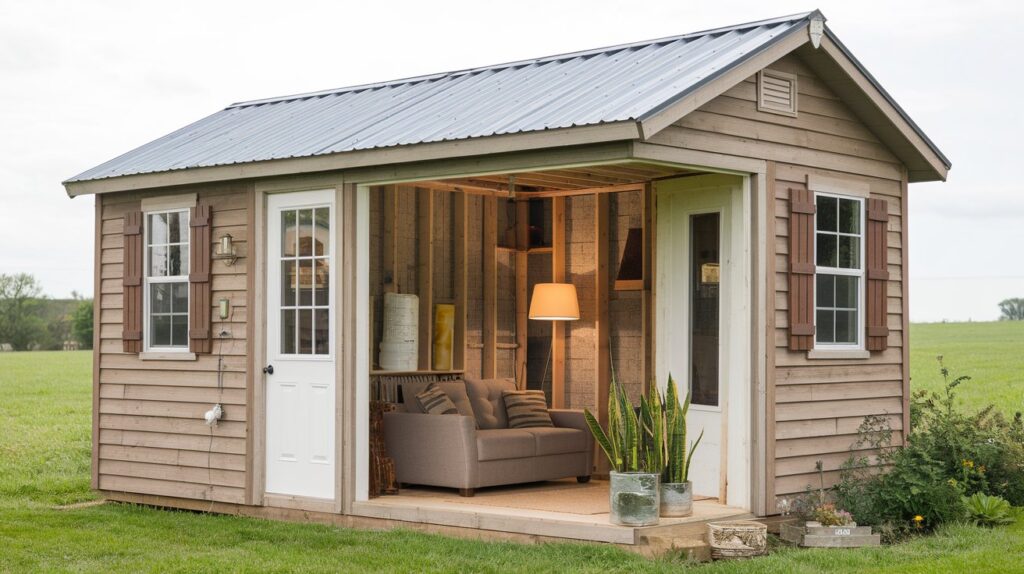
Thinking about turning that shed in your backyard into a cozy home? You’re not alone.
Many people wonder if it’s possible—and legal—to transform a simple storage shed into a fully livable house. But before you start knocking down walls or calling contractors, there’s a crucial question you need to answer: can you legally live in a shed on your property?
The answer isn’t as simple as you might hope. Laws about sheds and houses vary widely depending on where you live, and missing key permits or building codes can lead to costly fines or even having to tear down your dream home. You’ll discover what rules you must follow, why living in a shed is often illegal without proper approval, and exactly what steps you need to take to make your shed-to-house conversion legal and safe. Keep reading to learn how to turn your shed into a home you can truly call yours—without risking trouble with the law.
Federal vs. State vs. Local Rules (Quick Reality)
- Federal law: No direct prohibition — the U.S. government does not regulate residential sheds or tiny homes.
- State law: Sets baseline building codes (usually adopts International Residential Code or IRC), but enforcement is local.
- Local zoning & building departments: Have the final say — they decide if your shed can be a legal dwelling.
Most counties/cities treat a converted shed as an Accessory Dwelling Unit (ADU), granny flat, or tiny house — and the rules are very location-specific.
Legal Restrictions
Turning a shed into a house involves more than just construction work. Legal restrictions play a major role in whether this project can move forward. These rules ensure safety, proper land use, and community standards. Understanding these restrictions helps avoid fines or forced removal.
Zoning Classifications
Zoning laws control how land and buildings are used. Most sheds are labeled as “accessory structures.” These are meant for storage or small workspaces, not living quarters. Residential zones often have strict rules about what counts as a home. Changing a shed to a house may require rezoning or special permits. Without proper zoning approval, living in a shed is usually illegal.
Building Code Requirements
Building codes set standards for construction quality and safety. A typical shed lacks features needed for a home. This includes proper foundations, insulation, plumbing, and electrical wiring. Codes also demand safe exits and fire-resistant materials. To convert a shed legally, you must upgrade it to meet these codes. Inspections and permits confirm the building is safe to live in.
Health And Safety Regulations
Health rules protect occupants from unsafe living conditions. Sheds often miss proper ventilation and sanitation systems. They may also lack heating or cooling needed for comfort and health. Local health departments enforce these rules strictly. Without meeting health standards, a shed cannot be legally used as a residence. Compliance ensures a healthy and safe living environment.
When Conversion Is Allowed
Turning a shed into a house can be legal under certain conditions. These conditions vary by location and local rules. Knowing when conversion is allowed helps you avoid fines and problems. Understanding zoning laws and building codes is essential before starting any project.
Many areas have specific rules for accessory buildings. These rules guide whether a shed can become a home. Meeting safety and habitability standards is a must. Permits and inspections often play a key role in approval.
Permitted Accessory Dwelling Units
Accessory Dwelling Units (ADUs) are small homes on the same lot as a main house. Some cities allow sheds to convert into ADUs. The shed must meet all building codes for living spaces. This includes plumbing, insulation, and electrical systems.
To qualify, the conversion must be approved by local authorities. Permits are required before starting work. The shed should have proper exits and ventilation. It must be safe and comfortable for living.
Rural And Unrestricted Zones
Rural areas often have fewer zoning restrictions. Some zones allow more freedom to use land and buildings. In these areas, converting a shed into a home may be easier.
Even in rural zones, the shed must meet basic safety rules. Local health and safety codes still apply. Checking with the local planning department is important. They confirm what is allowed and what rules must be followed.
Common Legal Requirements to Convert a Shed to a Legal House
To make a shed a legal, habitable dwelling (one you can live in full-time), most places require:
- Zoning Approval
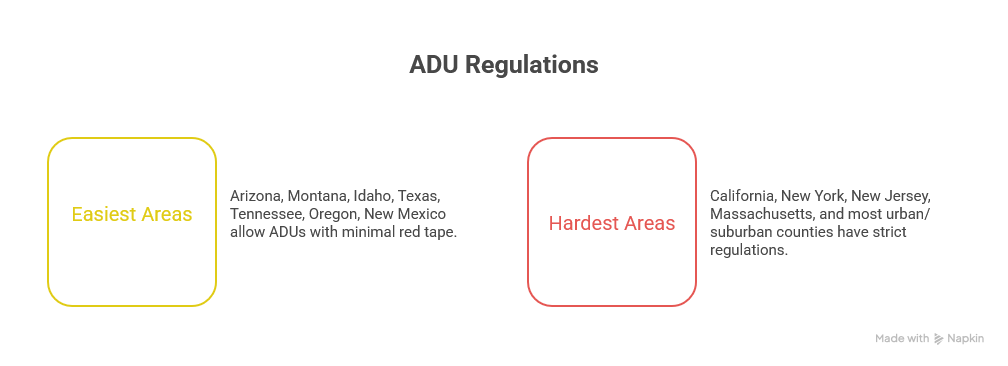
- Must be allowed as an ADU or primary dwelling in your zoning district (agricultural/rural is easiest; suburban/residential is hardest).
- Minimum lot size often required (e.g., 1 acre in many rural areas).
- Building Permit
- Submit plans showing foundation, framing, insulation, electrical, plumbing, HVAC, egress windows, etc.
- Must meet International Residential Code (IRC) or local equivalent (e.g., minimum ceiling height 7 ft, smoke detectors, proper stairs).
- Permanent Foundation
- Most jurisdictions require a concrete slab, piers, or crawl space — sheds on blocks or trailers usually cannot be permanent dwellings.
- Septic System or Sewer Connection
- Full septic approval or city sewer hookup required (very expensive — $10,000–$40,000 for new septic).
- Electrical & Plumbing Permits
- Licensed electrician and plumber must do the work; inspected and approved.
- Minimum Square Footage
- Some places require 120–400 sq ft minimum for a dwelling (tiny homes under 400 sq ft often face barriers).
- Egress & Safety
- At least one egress window or door per bedroom, proper fire separation, smoke/CO detectors.
- Occupancy Permit
- Final inspection and certificate of occupancy required before living in it legally.
Steps To Legal Conversion
Turning a shed into a house requires following specific legal steps. These steps ensure your conversion meets local laws and safety standards. The process involves careful planning and obtaining approvals from the right authorities. Understanding these steps helps avoid fines and demolition later.
Consult Local Authorities
Start by contacting your city or county planning department. They provide guidance on rules and necessary approvals. Discuss your plans clearly to get accurate information. They may offer checklists or forms to help you start the process.
Check Zoning Rules
Verify if your property zoning allows residential use. Many sheds are in zones for storage or non-living purposes only. Confirm if the area permits accessory dwelling units (ADUs) or house conversions. Zoning compliance is crucial before any construction work.
Meet Building Standards
Ensure your shed meets residential building codes. These codes cover foundations, insulation, ventilation, plumbing, and electrical systems. Upgrading your shed to these standards is necessary for safety and approval. Inspections may be required during and after work.
Obtain Necessary Permits
Apply for all permits required by your local authorities. Permits verify your project follows zoning and building codes. Keep copies of approved permits for your records. Starting work without permits can lead to penalties or project stoppage.
Common Challenges
Turning a shed into a house involves many challenges. These challenges come from rules that make sure homes are safe and comfortable. Meeting these rules takes time and effort. Understanding common problems helps prepare for the process.
Many people start with a simple shed. But making it a legal home needs careful work. The biggest issues include insulation, ventilation, plumbing, electrical work, and size limits. Each must follow local laws and codes.
Meeting Insulation And Ventilation Standards
Homes need good insulation to keep warmth in and cold out. Sheds often have thin walls that cannot protect from weather. Adding proper insulation is necessary for comfort and energy saving.
Ventilation is also important to keep air fresh inside. Poor ventilation causes moisture and mold problems. Legal homes must have windows or vents that allow air flow. Many sheds do not meet these rules at first.
Installing Plumbing And Electrical Systems
Plumbing means water supply and waste removal. A legal home must connect to clean water and a sewage system. Sheds usually lack pipes and drains. Installing these systems can be costly and complex.
Electrical wiring must follow strict safety codes. Sheds often need new circuits, outlets, and lighting. All electrical work must be inspected and approved. This ensures the home is safe to live in.
Minimum Size Requirements
Many places set minimum size rules for homes. A shed might be too small to qualify as a dwelling. These rules protect health and safety by ensuring enough living space.
Meeting size requirements can mean expanding the shed or adding rooms. Without enough space, legal approval is unlikely. Check local rules to know the exact size needed.
Regional Differences
Rules about turning a shed into a house differ widely by region. Local laws affect what you can and cannot do with your property. These rules depend on state, county, and city regulations. Understanding regional differences is key before making any changes.
Rules In Texas And Austin
Texas has some flexible rules for accessory buildings. However, Austin enforces stricter codes. Austin requires permits for any structure used as a home. The city demands compliance with building codes for safety and health. Without permits, living in a shed is often illegal in Austin.
Variations Across States
Each state sets its own rules for housing and zoning. Some states allow easier conversion of sheds into homes. Others have tough restrictions on accessory dwelling units (ADUs). Building codes and permit requirements vary greatly. Check your state and local laws carefully before starting.
Rural Vs Urban Regulations
Rural areas usually have fewer zoning restrictions. They might allow sheds to become living spaces more easily. Urban areas tend to have stricter rules for safety and planning. Cities require permits, inspections, and code compliance. Rural landowners should still verify local regulations before converting sheds.
Living In A Shed Without Permits
Living in a shed without permits often seems like an easy housing solution. Small, affordable, and quick to set up. Yet many people do not realize the legal complexities involved. Most sheds are not built for permanent living. They usually miss essential safety and building features required by law. Ignoring permits can lead to serious problems. Understanding the risks can help you avoid costly mistakes.
Legal Risks
Living in a shed without proper permits breaks local building and zoning laws. Sheds are usually classified as non-residential structures. They lack required safety features like insulation, plumbing, and fire exits. Many cities prohibit using sheds as homes to protect public health and safety. Unpermitted living spaces can be considered illegal dwellings. Authorities may order you to stop living there or remove the shed entirely.
Possible Penalties
Punishments for living in a shed without permits vary by location. Fines can be large and increase over time. You may have to pay to bring the shed up to code. In extreme cases, authorities can force eviction or demolition. Legal fees add to the financial burden. Unpermitted homes can also affect property resale and insurance coverage. It is costly and stressful to face these penalties.
Alternatives To Consider
Consider legal options before living in a shed. Apply for permits to convert the shed into a legal dwelling. This usually requires upgrades to meet building codes. Explore building a tiny home or an Accessory Dwelling Unit (ADU) with approvals. Look into renting a small apartment or shared housing. Some rural areas have relaxed rules but always confirm with local officials first. Legal housing options protect your safety and investment.
Legal Loopholes & Workarounds People Use
-
Build in unincorporated/rural county — Fewer rules than cities.
-
Classify as ADU — Attach to existing house or get ADU permit.
-
Tiny house on wheels — Some counties allow as RV if under certain size (but cannot be permanent dwelling).
-
Temporary structures — Get temporary use permit (e.g., 1–2 years).
-
Off-grid living — Solar + composting toilet in permissive rural areas (no septic required).
Warning: Living in an unpermitted shed is common but illegal — can lead to fines, forced removal, or denied insurance/electricity.
Frequently Asked Questions
Is It Legal To Live In A Shed On Your Property?
Living in a shed is often illegal due to zoning and building codes. Permits and upgrades may allow legal conversion. Check local laws.
Can You Buy A Shed And Turn It Into A House?
You can buy a shed and convert it into a house if you obtain permits and meet local building codes and zoning laws. Check with your local planning department for specific requirements and approvals before starting the conversion.
How Much Does It Cost To Turn A Shed Into A House?
Turning a shed into a house costs between $10,000 and $50,000. Expenses depend on permits, insulation, plumbing, and electrical upgrades. Costs vary by location and project scope. Always budget for inspections and compliance with local building codes.
Is It Legal To Convert A Shed Into A Home?
Converting a shed into a home is legal only if local zoning and building codes permit it. Obtain necessary permits. Ensure the shed meets safety, insulation, plumbing, and electrical standards. Always check with local authorities before starting conversion to comply with regulations and avoid legal issues.
Conclusion
Turning a shed into a house involves more than just construction. Local laws and building codes play a big role. You must meet safety, zoning, and permit requirements. Without proper permits, living in a shed is usually illegal. Some areas allow conversions if the shed follows all rules.
Always check with your local planning office first. This step saves time and avoids fines. Knowing the rules helps you create a safe, legal living space. Taking these actions ensures your shed-to-home project succeeds.
Disclaimer: The content on this page is for general information only and should not be considered legal advice. We work hard to provide accurate and up-to-date details, but we can't guarantee the completeness or accuracy of the information. Laws and rules change often, and interpretations may vary. For specific advice, always consult a qualified legal expert. We are not liable for any actions you take based on this information. If you spot any errors or outdated content, please contact us, and we’ll update it as soon as possible.