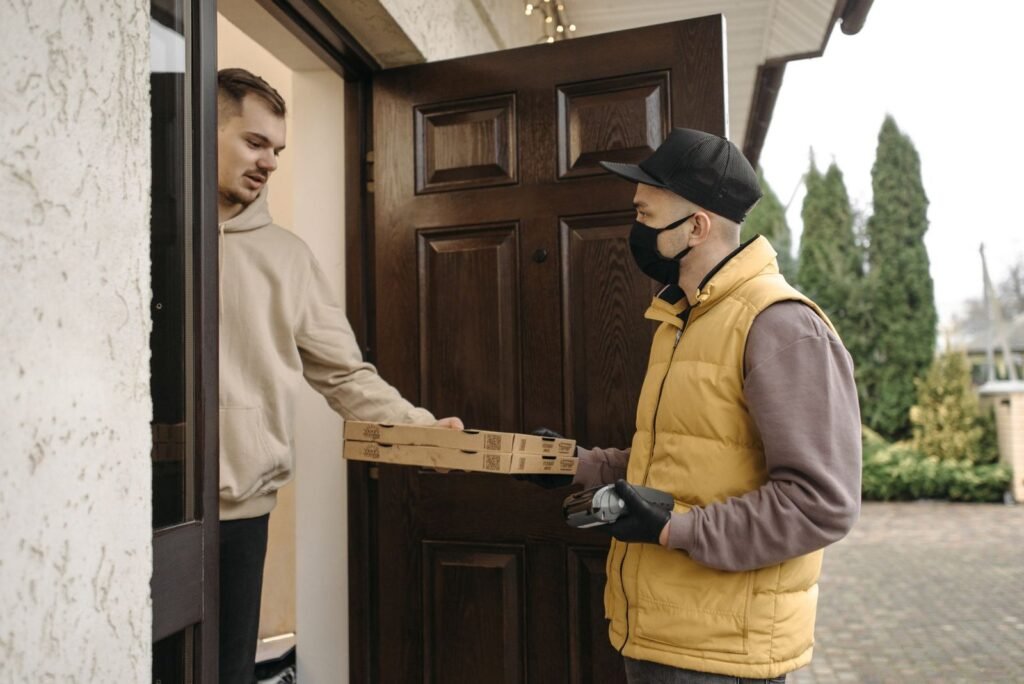
No, you generally don’t have the legal right to refuse payment for a late pizza delivery unless the company explicitly advertised a specific money-back guarantee as part of their service terms. In most jurisdictions, a pizza delivery is considered a contract for goods and services where time isn’t legally “of the essence” unless specifically stated in a binding agreement. If you simply dislike the wait time, you remain obligated to pay for the order because you received the product you requested.
Key Takeaways
- Check the restaurant’s official website or app for a “guaranteed delivery time” policy before ordering.
- Document the time of your order and the time of arrival to provide clear evidence for your complaint.
- Contact the store manager directly to request a partial refund or store credit instead of demanding a free meal.
- Understand that drivers are often not responsible for kitchen delays or high traffic volumes.
- Avoid refusing payment at the door, as this can lead to being blacklisted from future deliveries.
Is Refusing Payment Actually Possible?
Legally speaking, refusing to pay for a pizza just because it arrived late is rarely supported by consumer protection laws. When you place an order, you enter into a verbal or digital contract to purchase food. Unless the business has a published policy promising a refund for delays, the delivery time is considered an estimate rather than a strict deadline. Most major pizza chains utilize dynamic delivery estimates that are subject to change based on kitchen volume and traffic.
If you attempt to withhold payment, you’re technically committing a form of theft. While most drivers will simply take the pizza back and report the incident to their manager, you could face consequences. Many restaurants maintain a customer blacklist that prevents individuals who have refused payment or caused disputes from placing future orders. It’s much more effective to negotiate a solution rather than attempting to enforce a rule that doesn’t exist in local commerce law.
Understanding If You Can Legally Refuse to Pay for Late Pizza
Some national chains have historically used marketing campaigns that promise a free pizza if it arrives after a certain window, typically 30 minutes. However, these policies have largely been discontinued or severely modified due to safety concerns. If a company doesn’t currently advertise such a guarantee, they aren’t obligated to provide it. You should always look for a written service guarantee on the checkout screen before finalizing your transaction.
| Policy Type | Typical Action | Outcome for Customer |
|---|---|---|
| Guaranteed Time | Refund or credit | Free or discounted meal |
| Estimated Time | None | Full price payment |
| Late Arrival | Apology/Manager call | Potential store credit |
How to Negotiate a Fair Solution
If your pizza arrives cold or significantly later than the quoted window, you should focus on achieving a customer service resolution. Instead of demanding the meal for free, approach the situation with politeness and evidence. Managers have the discretion to issue store credits, coupons, or partial refunds to maintain customer loyalty, even if they aren’t legally required to do so.
- Document everything: Take a screenshot of the confirmation time and the estimated delivery window.
- Keep the receipt: Ensure you have the order number and the name of the store location.
- Speak to a manager: Don’t vent your frustration to the delivery driver, as they rarely have the authority to adjust pricing.
- Be specific: Clearly state how long the delay was and how it affected your plans.
The Role of Delivery Drivers
It’s important to remember that the delivery driver is often the last person to know why an order is delayed. Kitchen staff, order volume, and external factors like road construction or inclement weather play a massive role in delivery times. According to the United States Department of Labor, delivery drivers are often compensated based on a combination of base pay and tips, making them particularly vulnerable when customers refuse payment or withhold tips due to store-level errors.
Warning: Never take your frustration out on the delivery driver. They’re likely working within the constraints of a dispatch system they don’t control, and verbal abuse or refusal to pay can jeopardize their job and safety.
Common Reasons for Delivery Delays
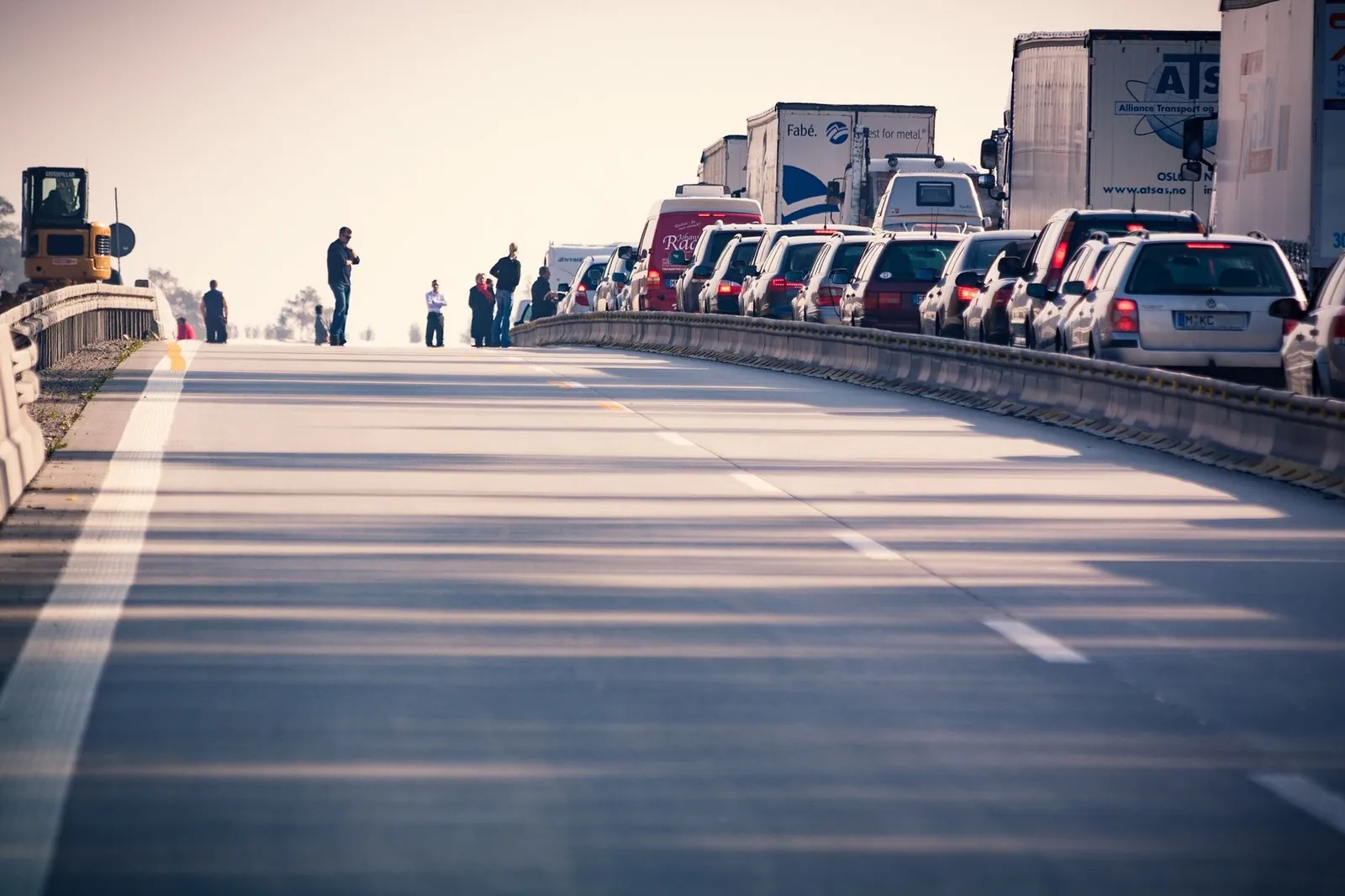
Understanding why your food is late can help you decide whether to escalate the issue or simply be patient. High-volume nights like the Super Bowl or Friday evenings often lead to logistical bottlenecks that no restaurant can fully avoid. By acknowledging these variables, you can better manage your expectations when ordering during peak hours.
Kitchen and Staffing Issues
Sometimes the delay starts before the pizza even hits the road. Understaffing in the kitchen or a sudden surge in walk-in orders can push delivery times back significantly. If you see your order status stuck on “Preparing” for an extended period, the delay is almost certainly an internal production issue rather than a driver problem.
Traffic and External Factors
Road accidents, heavy rain, or construction projects are out of the store’s control. A driver might be stuck in gridlock, unable to move the vehicle to get your order to you faster. In these scenarios, the restaurant is usually not at fault, and demanding a free meal is unlikely to yield results.
Dispatching and Routing
Modern pizza chains use advanced algorithms to batch orders. A driver might be carrying three or four pizzas at once to increase efficiency. If you’re the last stop on that route, your pizza may be the oldest one in the car. This is a standard delivery practice designed to keep costs down for the consumer.
When Should You Complain?
There’s a difference between a ten-minute delay and an hour-long wait. If your order arrives cold, damaged, or missing items, you have a legitimate reason to contact the store. A service recovery strategy is the best way to handle this. You’re looking for an apology and a remedy, not a confrontation.
- Cold Food: If the pizza is no longer at an edible temperature, this is a quality control failure.
- Missing Items: If you paid for side dishes or drinks that weren’t delivered, you’re entitled to a refund for those specific items.
- Significant Delays: If the order arrives 60 minutes past the estimated time without communication, you have grounds to request a formal complaint.
Pro Tip: Always call the store directly within 24 hours of the delivery. Emails or app-based support forms often take too long to process, and by the time they’re read, the manager may have already moved on from the shift.
Comparing Delivery Options
Not all delivery services operate under the same rules. Knowing the differences between ordering directly from a chain and using a third-party app can save you a lot of headache when things go wrong.
| Service Type | Refund Policy | Dispute Process |
|---|---|---|
| Local Pizza Shop | Manager discretion | Direct phone call |
| Major Chain | Corporate policy | App or store manager |
| Delivery Apps | Platform dependent | In-app support chat |
Dealing with Third-Party Delivery Apps
When using apps like DoorDash, Uber Eats, or Grubhub, the legal situation changes slightly. You’re technically paying the app provider, not the restaurant directly. If your order is late, you must use the app’s internal dispute system. These platforms have automated refund protocols that can often issue credit for delays without you having to speak to a human representative.
However, be aware that excessive refund requests can lead to your account being flagged or deactivated. Use these tools only when the service failure is genuine and verifiable. If you’re a frequent user, the app might offer “priority” delivery options for an extra fee, which can help mitigate the risk of late arrivals during busy periods.
Escalating to Corporate Support
If your local store manager refuses to acknowledge a significant service failure, you may choose to contact the corporate office. Most large pizza chains have a customer feedback portal where you can file a formal complaint. While this won’t get you an immediate refund at the door, it can result in a voucher or a follow-up call from a regional manager.
When filing a corporate complaint, be sure to include:
- The exact store location address.
- The time the order was placed.
- The order number provided in your email confirmation.
- A clear description of the issue (e.g., “The order arrived 90 minutes past the estimated delivery time”).
Managing Expectations for Future Orders
The best way to avoid late pizza is to plan ahead. Ordering during off-peak hours, such as before 5:00 PM or after 8:00 PM, significantly reduces the likelihood of delays. Additionally, consider opting for carry-out service if you’re on a strict schedule. By picking up the pizza yourself, you eliminate the variables of traffic and driver routing.
If you must have delivery, consider these strategies:
- Order well in advance of when you actually need to eat.
- Check the local weather forecast; rain and snow always slow down drivers.
- Avoid ordering during major sporting events or holidays unless you’re willing to accept a long wait.
Frequently Asked Questions
Can I cancel my order if it’s late?
Once the food has been prepared and dispatched, most restaurants won’t allow you to cancel the order. If you refuse the delivery at your door, you’re still responsible for the cost of the food that was prepared. It’s better to accept the order and then contact the manager later to discuss a refund or store credit for the inconvenience.
What should I do if the pizza is cold?
If your pizza arrives at an inedible temperature, call the restaurant immediately. Most managers will offer to send a fresh replacement or provide a full refund. Don’t throw the food away until you have spoken to someone, as they may ask you to return the cold pizza or provide a photo as proof of the quality issue.
Does a late delivery mean I don’t have to tip?
Tipping is a discretionary gesture for service, but it’s standard practice in the United States. While you aren’t legally required to tip, withholding it entirely is often seen as a punishment for the driver, who may not have caused the delay. Consider tipping based on the driver’s professionalism and communication rather than solely on the store’s delivery time.
Can I get a refund through my credit card company?
A chargeback should be your last resort. Only initiate a dispute with your bank if the merchant refuses to rectify a legitimate service failure, such as the food never arriving. Using chargebacks frequently can lead to your card being flagged or your account being banned by the delivery platform or the restaurant chain involved in the transaction.
Are there laws protecting me from late food?
There are no federal or state laws that mandate a specific delivery time for food. Consumer protection laws generally focus on the quality and safety of the food provided. A late delivery is considered a service issue, not a legal violation, unless the restaurant has specifically entered into a binding contract that guarantees a delivery time under penalty of refund.
Conclusion
The most effective approach when facing a late delivery is to remain calm, document the discrepancy, and contact the store manager directly to request a reasonable adjustment. By choosing to communicate constructively rather than demanding payment refusal, you protect your ability to order from that establishment in the future while increasing the likelihood of receiving a fair resolution.
Disclaimer: The content on this page is for general information only and should not be considered legal advice. We work hard to provide accurate and up-to-date details, but we can't guarantee the completeness or accuracy of the information. Laws and rules change often, and interpretations may vary. For specific advice, always consult a qualified legal expert. We are not liable for any actions you take based on this information. If you spot any errors or outdated content, please contact us, and we’ll update it as soon as possible.