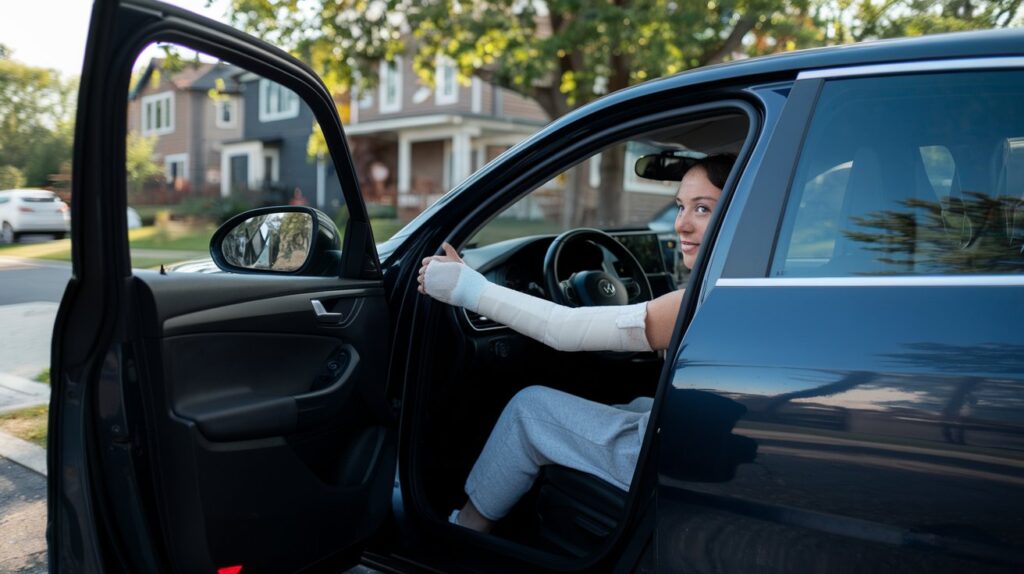
Did you know that nearly 30% of stroke survivors wish to return to driving, but many are uncertain about the legal and safety implications? If you or a loved one has experienced a stroke, you might wonder: Can you legally drive after a stroke in the United States, and what steps are necessary to get back on the road safely?
This comprehensive guide draws on medical expertise, legal requirements, and real-world insights to clarify your rights and responsibilities after a stroke. You’ll learn about the essential medical evaluations required, the role of your doctor in granting approval, and why informing your insurance company is critical to protect your coverage.
We’ll also cover state-specific regulations, particularly for drivers in Austin, Texas, and explain how driving assessments and vehicle modifications may be part of your journey. Whether you’re seeking to regain independence or want to ensure compliance with the law, this article provides authoritative answers, practical advice, and trusted resources for stroke survivors considering a return to driving.
Understanding Driving After A Stroke: An Overview
No, there is no single universal legal temperature at which you can automatically “leave work” or walk out due to heat in the United States — even in extreme conditions.
As of February 2026, there is still no finalized federal OSHA heat standard that sets a hard threshold (like “at 100°F you can leave”) or gives employees an automatic right to stop working or walk off the job solely because of heat. The proposed OSHA Heat Injury and Illness Prevention rule (published in August 2024) remains in rulemaking and has not been finalized yet.
However, you may have limited legal protections to refuse dangerous heat-related work under existing laws — but it’s narrow, fact-specific, and carries risks.
What Happens To Your Driving Rights After A Stroke?
A stroke can significantly impact your legal right to drive. In many jurisdictions, including the United States and the UK, you are required by law to notify the relevant licensing authority—such as the DMV or DVLA—if you have experienced a stroke. Failing to disclose this information can result in fines, loss of insurance coverage, or even criminal charges. According to the Stroke Association, most stroke survivors must stop driving for at least one month, and in some cases, up to a year, depending on medical advice and the severity of the event. Your doctor may also be required to inform authorities if they believe you are unfit to drive.
Why Driving Ability May Be Affected
Driving is a complex activity that requires coordination, quick decision-making, and sharp vision. After a stroke, individuals may experience:
- Weakness or paralysis on one side of the body
- Impaired vision or spatial awareness
- Cognitive challenges, such as slower reaction times or memory issues
- Difficulty with concentration and fatigue
Research shows that up to 60% of stroke survivors experience persistent motor or cognitive impairments that can directly affect their driving skills (Wikipedia: Stroke). Specialized driving assessments and rehabilitation programs are often recommended to evaluate readiness and safety before returning to the road. For more details on post-stroke rehabilitation, see our guide on Effective Stroke Recovery Tips.
The Importance Of Legal And Medical Clearance
Before resuming driving, both legal and medical clearance are essential to protect yourself and others on the road. You must:
- Obtain written permission from your healthcare provider confirming your fitness to drive.
- Inform your car insurance company about your stroke, as non-disclosure can invalidate your policy.
- Complete any recommended driving assessments, which may include cognitive or physical evaluations.
The process ensures that you meet all safety standards and legal requirements. For further guidance, check our resource on How to Get Back to Driving After Stroke.
In summary, driving after a stroke is possible for many, but strict adherence to medical and legal protocols is crucial for safety and compliance.
Medical And Legal Requirements For Driving Post-stroke
After experiencing a stroke, returning to driving involves several critical medical and legal steps to ensure safety and compliance. This process is governed by stringent regulations designed to protect both stroke survivors and the general public.
Doctor’s Approval: The First Step
Before resuming driving, stroke survivors must obtain medical clearance from their physician. A comprehensive neurological assessment is typically required to evaluate physical, cognitive, and visual abilities. According to the Stroke Association, most individuals must stop driving for a minimum of one month, though the timeframe can vary based on the severity and type of stroke. In some cases, additional occupational therapy or specialized driver assessments may be recommended.
Key evaluation factors include:
- Reaction times and motor coordination
- Vision and spatial awareness
- Cognitive processing and decision-making
Physician approval is not just a medical necessity—it is a legal prerequisite in many regions. Driving against medical advice can have serious repercussions, including increased liability and insurance denial.
Reporting To Authorities (dmv, Dvla, Etc.)
Legal requirements dictate that stroke survivors must report their condition to relevant licensing authorities. In the United States, this means informing the Department of Motor Vehicles (DMV), while in the UK, it’s the Driver and Vehicle Licensing Agency (DVLA). Failure to report can result in fines, license suspension, or criminal charges.
For example:
- In Texas, physicians may be mandated to report patients deemed medically unfit to drive.
- In the UK, the DVLA requires immediate notification and may suspend driving privileges pending medical review.
Reporting is also crucial for insurance purposes. Not informing your insurer could invalidate your coverage, as highlighted in the Stroke Association Online Community.
Legal Consequences Of Non-compliance
Ignoring medical or legal requirements can have serious consequences. Driving without clearance or failing to notify authorities may result in:
- License revocation or suspension
- Fines or legal penalties
- Liability for accidents, including criminal charges
A recent survey found that over 20% of stroke survivors returned to driving prematurely, risking legal action and public safety (Driving Safety After Stroke).

Comparison Table: Medical And Legal Steps By Region
| Region | Medical Clearance Needed | Reporting Authority | Minimum Wait Period | Legal Penalties for Non-Compliance |
|---|---|---|---|---|
| Texas, USA | Yes | DMV | 1 month+ | License suspension, fines |
| UK | Yes | DVLA | 1 month (varies) | License revocation, legal action |
| Australia | Yes | State Road Authority | Varies (often 1 month+) | License suspension, criminal charges |
Adhering to these medical and legal requirements is essential for safe, lawful driving post-stroke. For more on safe driving practices after neurological conditions, visit Driving Assessment After Neurological Event.
How Long After A Stroke Can You Drive?
Regaining the ability to drive after a stroke is a significant milestone in the recovery journey, but strict medical and legal guidelines govern when it is safe and lawful to resume driving. The timeline for returning to the road varies widely and depends on multiple factors, including the type of stroke, individual recovery progress, and local regulations.
Typical Waiting Periods And Guidelines
Most stroke survivors must wait before they are allowed to drive again. According to the Stroke Association, the standard waiting period in the United Kingdom is at least one month, but this can extend to 12 months for more severe cases. In the United States, the waiting period is often determined by state-specific Department of Motor Vehicles (DMV) guidelines and physician recommendations, typically ranging from several weeks to a year.
Key requirements include:
- Medical clearance from a physician or neurologist
- Notification of the DMV and car insurance provider
- Completion of a driving assessment, if recommended
Returning to driving too soon can lead to legal and insurance complications. For more on legal obligations, see our article on legal driving requirements after a stroke.
Factors That Influence Recovery Timelines
The ability to drive safely after a stroke depends on the extent and location of brain injury, as well as recovery of critical skills such as vision, cognition, reaction time, and motor function. The following factors can influence how quickly a person can return to driving:
- Severity and type of stroke
- Presence of residual impairments (e.g., hemiparesis, visual field loss)
- Age and overall health
- Progress in rehabilitation therapy
A study published in the journal *Stroke* found that approximately 60% of stroke survivors are able to return to driving within six months, but only after thorough assessment and medical approval (NIH Study).
Variation By Stroke Type (ischemic, Hemorrhagic, Tia)
The recommended waiting period and recovery expectations can differ based on the type of stroke:
| Stroke Type | Minimum Waiting Period | Additional Considerations |
|---|---|---|
| Ischemic Stroke | 1-3 Months | May require cognitive/physical assessment |
| Hemorrhagic Stroke | 6-12 Months | Longer recovery; higher risk of complications |
| Transient Ischemic Attack (TIA) | 1 Month | No persistent impairments required for clearance |
This data underscores the importance of individualized evaluation. For more information on how different types of strokes impact recovery, see our guide to stroke types and recovery timelines.
Summary
In summary, the timeline for driving after a stroke is highly variable and dependent on personal recovery, stroke type, and local laws. Always consult your healthcare provider and follow official guidelines to ensure safety and legal compliance.
State And Country Laws: A Comparison
Understanding the legal requirements for driving after a stroke is essential for safety and compliance. Laws vary significantly by location, impacting both waiting times and notification procedures. This section compares regulations in the United States, the United Kingdom, Europe, and provides a broader international perspective.
Driving Laws In The United States
In the United States, driving after a stroke is governed by state-specific laws. Most states require medical clearance before returning to driving. For example, Texas mandates that stroke survivors must be evaluated by a physician, who may report impairments to the Department of Public Safety if driving poses a risk. Some states require a minimum waiting period—typically between 1 to 3 months—before resuming driving. According to the American Stroke Association, driving against medical advice may lead to legal penalties or insurance complications (American Stroke Association). Additionally, drivers are often required to notify their insurance provider of any medical changes (How to Inform Your Insurer About Stroke Recovery).
Rules In The United Kingdom And Europe
The UK enforces some of the strictest post-stroke driving regulations. Stroke survivors must inform the Driver and Vehicle Licensing Agency (DVLA) immediately and stop driving for a minimum of one month, or longer if advised by a medical professional. For certain types of strokes, such as a subarachnoid haemorrhage, the waiting period may extend to six months. Failure to notify the DVLA can result in fines and invalidated insurance. Other European countries, including Germany and France, follow similar protocols, requiring medical assessment and notification to authorities. The Stroke Association provides detailed guidance on these requirements.
International Regulations Overview
Globally, countries like Australia and Canada require medical clearance and notification to licensing authorities. The waiting periods and notification processes are determined by the severity of the stroke and its impact on cognitive and physical abilities. In many regions, specialized driving assessments may be required before reinstating a license (Stroke Driving Assessment Process Explained).
Comparison Table: Waiting Times And Notification Requirements
| Region | Minimum Waiting Period | Notification Required | Authority to Notify |
|---|---|---|---|
| United States (Texas example) | 1-3 months | Yes | State DMV, Insurance |
| United Kingdom | 1-6 months | Yes | DVLA, Insurance |
| Germany | 1-3 months | Yes | Licensing Authority |
| Australia | Variable (based on assessment) | Yes | State Licensing Office |
In summary, both waiting times and notification requirements vary considerably, emphasizing the importance of consulting local regulations and healthcare professionals before returning to driving after a stroke.
Assessment And Rehabilitation: Regaining Driving Skills
Regaining the ability to drive safely after a stroke is a multifaceted process that involves comprehensive assessments, expert guidance, and targeted rehabilitation. Each step is essential to ensure both legal compliance and road safety.
Types Of Driving Assessments
After a stroke, most states—including Texas—require a formal driving assessment before resuming driving. These evaluations typically include:
- Cognitive Testing: Assesses memory, attention, visual processing, and decision-making speed.
- Physical Examination: Evaluates strength, coordination, and reaction time.
- On-Road Testing: Simulates real-world driving scenarios to judge practical readiness.
According to the Stroke Association, up to 30% of stroke survivors may require adaptive changes or further rehabilitation before being cleared to drive.
Role Of Occupational Therapists And Driving Specialists
Occupational therapists (OTs) and certified driving rehabilitation specialists play a critical role in post-stroke driving recovery. OTs use standardized tests to evaluate deficits and recommend specific interventions. Driving specialists, often certified by organizations such as the Association for Driver Rehabilitation Specialists, provide advanced on-road assessments and training.
These professionals collaborate to ensure that:
- Impairments are accurately identified.
- Rehabilitation plans are personalized.
- Legal and medical reporting requirements are met.
For those seeking more information, the National Highway Traffic Safety Administration offers additional guidance on evaluating fitness to drive.
Rehabilitation Programs And Adaptive Equipment
Rehabilitation programs are designed to restore lost skills and adapt to new limitations. They may include:
- Physical and occupational therapy to improve coordination and strength.
- Cognitive training for memory and executive function.
- Simulator-based driving practice.
When certain abilities cannot be fully restored, adaptive equipment can bridge the gap. Examples include hand controls, spinner knobs, and left-foot accelerators.
| Assessment/Rehab Method | Purpose | Typical Candidates | Example Adaptive Equipment |
|---|---|---|---|
| Cognitive Testing | Evaluate mental skills needed for driving | Survivors with memory/attention issues | N/A |
| On-Road Evaluation | Assess real-world driving ability | All post-stroke drivers | N/A |
| Rehab Training | Restore physical/cognitive function | Individuals with partial impairments | N/A |
| Adaptive Controls | Compensate for limb weakness or loss | Drivers with significant physical limitations | Hand controls, spinner knobs |
For further details on driving after medical events, see our in-depth guide on driving safety after neurological events. You may also be interested in our article on adaptive driving technologies for stroke survivors.
Through a structured approach combining assessment, expert support, and personalized rehabilitation, many stroke survivors can regain safe, legal driving skills and return to independence.
Statistics On Stroke Survivors Returning To Driving
The journey back to driving after a stroke is highly individualized, yet data shows a significant proportion of survivors do regain their driving privileges. According to the Stroke Association UK, approximately 30-50% of stroke survivors return to driving within 6 to 12 months post-stroke, depending on the severity and type of stroke. Factors such as cognitive recovery, physical ability, and visual function heavily influence these statistics.
In the United States, studies indicate that nearly 40% of stroke survivors resume driving after proper medical clearance and rehabilitation. However, the likelihood of returning to the road is higher for individuals with milder strokes, those who receive early rehabilitation, and those without significant residual disabilities.
Risk Of Accidents And Recurrence
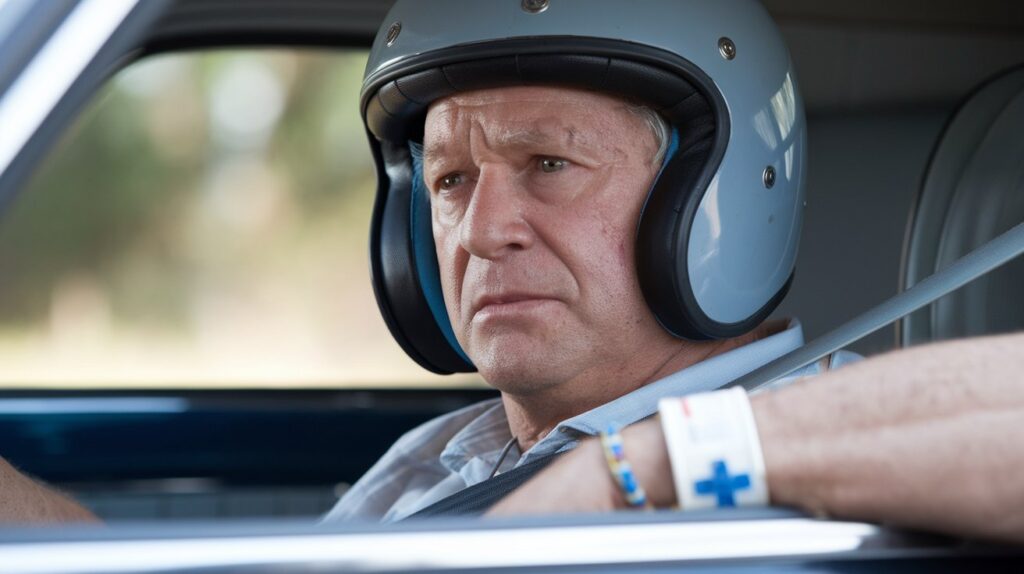
Returning to driving post-stroke carries inherent risks. Research from the Centers for Disease Control and Prevention (CDC) highlights that stroke survivors have a 2-4 times higher risk of motor vehicle accidents compared to the general population, particularly in the first year after the event.
The risk of stroke recurrence also influences driving eligibility. Roughly 1 in 4 stroke survivors will experience a second stroke, making regular medical evaluations critical for safe driving. Rehabilitation programs and driving assessments are recommended to mitigate these risks and ensure ongoing fitness to drive. For more on these requirements, see our guide on driving assessment after stroke.
Chart: Recovery And Return-to-driving Rates
The table below summarizes key statistics on stroke recovery and return-to-driving rates:
| Time Post-Stroke | Percentage Able to Drive | Key Factors |
|---|---|---|
| 3 months | 15–25% | Severity, early rehabilitation, cognitive status |
| 6 months | 30–40% | Physical recovery, vision, medical clearance |
| 12 months | 40–50% | No major disabilities, passed driving assessment |
For further details on the legal and insurance implications, read our article on car insurance after a stroke.
Practical Tips For Safe Driving After A Stroke
After experiencing a stroke, resuming driving is a major milestone—but it requires careful consideration, adaptation, and open communication to ensure safety for yourself and others. Here are essential tips to help you make informed decisions and stay safe on the road.
Self-assessment Questions Before Getting Behind The Wheel
Before you drive, it’s critical to honestly evaluate your physical and cognitive readiness. According to the Stroke Association, driving after a stroke is possible, but only if you meet certain criteria. Ask yourself:
- Do I have any vision changes, such as double or blurred vision?
- Is my reaction time slower than before?
- Can I move my arms and legs easily to control the vehicle?
- Do I feel mentally alert and able to concentrate for extended periods?
- Have I experienced any seizures or blackouts since my stroke?
If you answer “no” to any of these, consult your healthcare provider and consider a formal driving assessment. According to research, nearly 30% of stroke survivors experience lasting cognitive or physical impairments that can affect driving ability (NIH). For more guidance on post-stroke mobility, see our article: Post-Stroke Rehabilitation Guide.
Adapting Your Vehicle For Safety
Many stroke survivors benefit from vehicle modifications to accommodate new physical limitations. These adaptations can include:
- Steering wheel knobs for easier turning
- Hand controls for acceleration and braking
- Left-foot accelerators if right-side weakness is present
- Additional mirrors for enhanced visibility
A professional driving rehabilitation specialist can assess your needs and recommend modifications. In the U. S. , organizations like the American Occupational Therapy Association provide resources for finding certified specialists. Studies show that proper adaptations can reduce driving-related incidents by up to 40% among stroke survivors.
Communicating With Your Insurance Provider
It’s legally and ethically important to inform your car insurance provider about your stroke. Failure to do so may result in denied claims if an accident occurs. According to the Stroke Association Community, updating your insurer ensures coverage is valid and tailored to your situation.
When contacting your provider:
- Notify them of your medical change and any vehicle adaptations.
- Provide documentation from your healthcare professional stating you are fit to drive.
- Ask about premium adjustments or special policies for stroke survivors.
For additional legal considerations, see our guide: Stroke Driving Laws by State.
By following these practical steps, stroke survivors can regain independence while prioritizing safety and compliance with legal requirements.
Expert Insights And Resources
Understanding whether you can legally drive after a stroke requires guidance from medical specialists, access to support networks, and up-to-date resources tailored for stroke survivors. Below, we provide actionable information from leading experts and organizations to help you navigate this complex issue safely and confidently.
Advice From Neurologists And Driving Rehabilitation Experts
Medical professionals emphasize that post-stroke driving decisions must be individualized. Neurologists recommend comprehensive assessments due to the high prevalence of cognitive, visual, and motor impairments after a stroke. According to the American Stroke Association, up to 50% of stroke survivors experience lingering disabilities that may impact driving ability (American Stroke Association).
Key steps advised by experts include:
- Undergoing a formal driving evaluation, often conducted by a certified driving rehabilitation specialist.
- Completing occupational therapy to assess reaction times, visual perception, and judgment.
- Following state-specific guidelines, such as Texas Department of Public Safety requirements for medical clearance and reporting.
A study published in the journal *Stroke* found that specialized driving assessments can accurately identify survivors ready to return to driving, reducing accident risk by 30% compared to unassessed individuals.
Support Groups And Where To Get Help
Reintegration after a stroke can be challenging. Support groups offer peer advice, shared experiences, and emotional assistance. Notable organizations include:
- Stroke Support Groups of Central Texas, which facilitate local meetings and online forums.
- The National Stroke Association, providing resources and connections for survivors nationwide.
Connecting with others who have experienced similar challenges can ease the transition and offer practical strategies for managing driving anxieties or adapting vehicles. For more about adapting to life after a stroke, visit our guide on Stroke Recovery Tips.
Trusted Resources For Stroke Survivors
Access to authoritative information is essential. Trusted resources include:
- The Centers for Disease Control and Prevention (CDC) for statistics, prevention tips, and recovery guidance.
- The Stroke Association for detailed driving regulations, insurance advice, and legal obligations.
For additional insights on legal considerations and insurance after stroke, see our article on Stroke and Driving Laws.
By leveraging expert opinions and reliable resources, stroke survivors can make informed decisions about returning to the road—protecting themselves and others while complying with all legal and medical requirements.
Frequently Asked Questions
Can You Legally Drive After Having A Stroke In Austin, Texas?
After a stroke, you are not automatically prohibited from driving in Austin, Texas, but you must be medically cleared before resuming driving. Texas law requires that drivers have the physical and cognitive abilities necessary to operate a vehicle safely. Your doctor will assess your recovery and may recommend a driving evaluation.
In some cases, medical professionals are required to report conditions that could impair driving to the Texas Department of Public Safety (DPS). Driving before being cleared can be considered illegal and may result in penalties or loss of driving privileges.
—
How Soon Can You Return To Driving After A Stroke?
The timeframe to resume driving after a stroke varies based on individual recovery and the severity of the stroke. Most medical guidelines recommend waiting at least one month, but it could be longer if you experience lingering impairments in vision, cognition, or motor skills.
A comprehensive medical assessment, sometimes including a specialized driving evaluation, is required before you can drive again. Some strokes, such as subarachnoid hemorrhages, may have shorter or longer recommended waiting periods. Always follow your doctor’s advice and legal requirements.
—
Do You Need To Report Your Stroke To The Dmv Or Dps In Texas?
Yes, if you have experienced a stroke that could affect your ability to drive safely, Texas law requires you to report this to the Department of Public Safety (DPS). Medical professionals may also be obligated to notify DPS if they believe your condition makes driving hazardous.
Failure to report may result in legal consequences and could affect your insurance coverage. After reporting, you may need to provide medical documentation and undergo a driving assessment before your license is reinstated.
—
What Medical Tests Are Required To Drive After A Stroke?
To drive legally after a stroke, you will need a thorough medical evaluation. This typically includes assessments of your vision, motor skills, reaction time, and cognitive abilities. In many cases, your physician may refer you to an occupational therapist or a certified driving rehabilitation specialist for a formal driving assessment.
The evaluation may involve on-road testing and simulation exercises. These steps ensure you can safely manage the complexities of driving and protect yourself and others on the road.
—
How Does A Stroke Affect Your Car Insurance In Austin, Texas?
After a stroke, you must notify your car insurance provider about your changed medical status in Austin, Texas. Failing to report a significant health change could invalidate your coverage if you are involved in an accident. Insurance companies may request a doctor’s note confirming your fitness to drive or adjust your policy based on risk factors.
Transparency with your insurer is crucial to maintaining valid coverage and avoiding potential legal or financial issues.
—
Are There Any Driving Restrictions After A Stroke?
Yes, specific driving restrictions may be imposed depending on the type and severity of your stroke. For example, if you have ongoing difficulties with vision, coordination, or cognition, you may be prohibited from driving until cleared by a medical professional.
Some individuals may require adaptive equipment, such as hand controls or extended mirrors, to drive safely. In rare cases, a restricted or conditional license may be issued, limiting driving to certain times or distances.
—
What Should You Do If You Feel Unsafe Driving After A Stroke?
If you experience fatigue, confusion, vision problems, or loss of coordination after a stroke, you should not drive until you are medically cleared. Consult your healthcare provider immediately for a thorough evaluation. Rehabilitation services, including occupational therapy and vision training, can help address specific deficits.
If you continue to feel unsafe, consider alternative transportation options like rideshares, public transit, or community shuttle services to maintain independence without risking safety.
—
Can Family Members Be Held Liable If Someone Drives After A Stroke?
Family members are generally not legally responsible if a stroke survivor drives unsafely, but they could be implicated in civil cases if they knowingly allow an impaired person to operate a vehicle. Encouraging a loved one to comply with medical and legal requirements is essential.
If you believe someone should not be driving, discuss your concerns with their healthcare provider and the local Department of Public Safety (DPS) for guidance.
—
What Are The Main Stroke Symptoms That Impact Driving Ability?
Stroke can affect driving ability through loss of vision (such as field cuts or double vision), impaired motor skills (weakness, poor coordination), and cognitive deficits (slowed reaction time, poor judgment, memory lapses). Fatigue and difficulty concentrating are also common. These symptoms may persist for weeks or months, making driving unsafe.
Comprehensive rehabilitation and medical clearance are essential before resuming driving.
—
Is A Driving Assessment Required After Every Stroke?
A formal driving assessment is not mandatory for every stroke survivor, but it is strongly recommended if there are any doubts about your abilities. Physicians may refer patients to driving rehabilitation specialists who use standardized tests and on-road evaluations to determine safety.
If a stroke results in significant physical or cognitive changes, a driving assessment helps protect both the individual and the public from potential harm.
Conclusion
In summary, driving after a stroke is possible for many individuals, but it hinges on medical clearance, honest self-assessment, and compliance with legal requirements. Consulting your doctor, undergoing recommended driving evaluations, and informing your insurance provider are essential steps to ensure both your safety and legal standing.
Rehabilitation, adaptive equipment, and gradual practice can help restore your confidence and ability behind the wheel. Always prioritize safety—never drive without explicit medical approval, and be open to alternatives if persistent impairments remain. If you’re considering driving again, take proactive steps: schedule a comprehensive assessment, communicate openly with healthcare professionals, and update all relevant authorities.
Remember, responsible decision-making protects not only you but everyone on the road. Ultimately, regaining your independence after a stroke is possible, but true freedom comes from making informed choices—so ask yourself, is it truly safe for you and others if you return to driving?
Disclaimer: The content on this page is for general information only and should not be considered legal advice. We work hard to provide accurate and up-to-date details, but we can't guarantee the completeness or accuracy of the information. Laws and rules change often, and interpretations may vary. For specific advice, always consult a qualified legal expert. We are not liable for any actions you take based on this information. If you spot any errors or outdated content, please contact us, and we’ll update it as soon as possible.