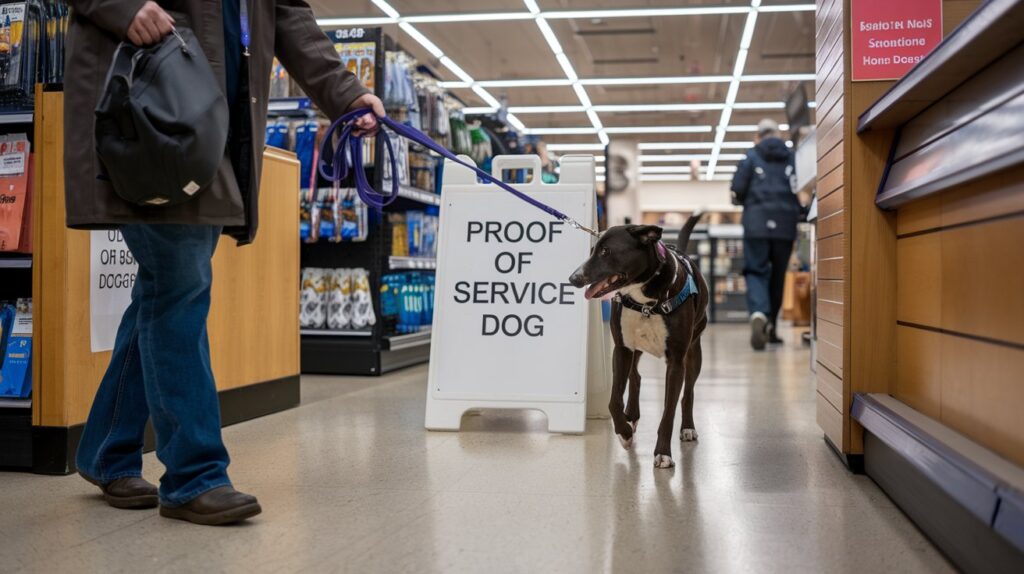
If you’ve ever wondered whether you can legally ask someone to prove their dog is a service animal, you’re not alone. Understanding the rules around service dogs can be confusing, especially when you want to be respectful but also ensure the space is safe and accessible for everyone.
You might ask yourself: Can you demand ID or certificates? Are there specific questions you’re allowed to ask? And what signs can help you tell if a dog is genuinely trained to assist? You’ll discover exactly what the law says about asking for proof of a service dog, what you can and cannot do, and how to handle these situations confidently and courteously.
Keep reading to clear up the confusion and learn how to navigate this sensitive topic the right way.
Service Dog Rights
Service dog rights protect people who rely on these animals for assistance. These rights ensure access to public places and prevent discrimination. The law also limits what questions can be asked about the service dog. Understanding these rights helps avoid confusion and respects privacy.
Legal Questions Allowed
Businesses and public places may ask only two questions. They can ask if the dog is a service animal required due to a disability. They may also ask what work or task the dog has been trained to perform. These questions help verify the dog’s role without invading privacy.
Questions You Cannot Ask
You cannot ask for proof like papers, ID, or certification. The law does not require any official documentation for service dogs. Inquiring about the person’s disability or medical records is not allowed. You cannot demand the dog to perform its tasks on the spot. Asking for vests, tags, or special gear is also not permitted. These rules protect the rights and dignity of the handler and their service dog.
No Proof Required
Service dogs assist many people with disabilities every day. Laws protect their right to accompany their handlers in public. These laws also limit what questions others can ask. Generally, no proof is required to show that a dog is a service animal. This helps reduce barriers for people who rely on their service dogs.
No Id Or Certification Needed
People cannot ask for ID or special certificates for service dogs. No official papers prove a dog’s status. The law does not require service dogs to carry any registration. This means handlers do not need to show documents to enter public places.
No Disability Details Allowed
No one can ask about a person’s disability. Disability details are private and protected by law. Questions about medical conditions or disabilities are not allowed. The focus stays on the dog’s role, not the handler’s personal health.
No Task Demonstration Required
Asking the dog to perform its trained task is not permitted. The law does not require service dogs to prove their skills on the spot. This protects handlers from uncomfortable or unfair testing. Observing calm and controlled behavior is enough.
No Vest Or Tag Mandate
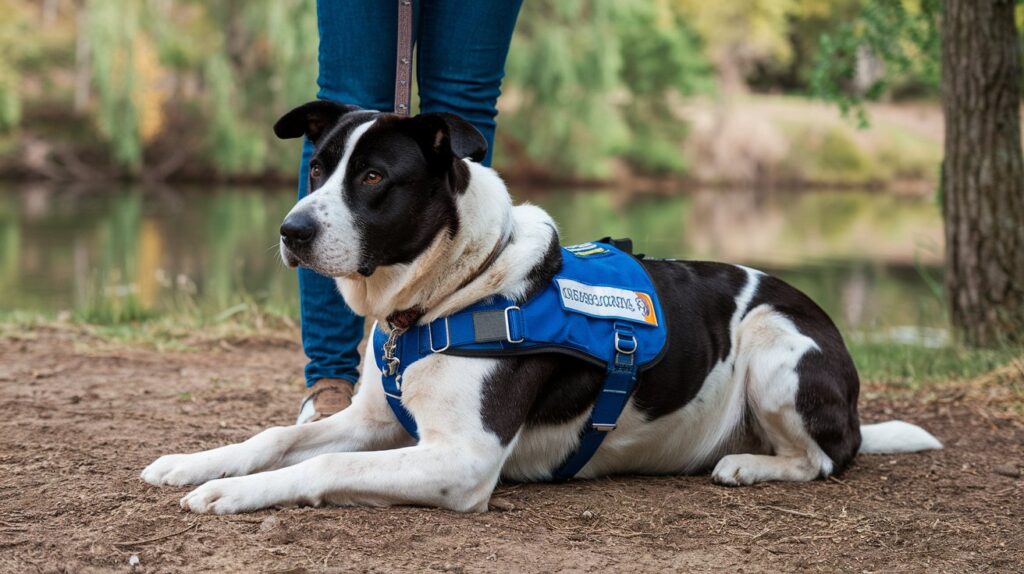
A service dog does not need to wear a vest or tag. Vests or badges can help identify the dog but are not legally required. Absence of any special gear cannot be used to deny access. The dog’s behavior and role matter more than appearance.
| Allowed to ask / do | Not allowed to ask / do |
|---|---|
| Ask the two questions (if not obvious) | Ask for ID, certification, vest, papers |
| Ask what task the dog performs | Ask about the person’s disability or diagnosis |
| Ask if the dog is required because of a disability | Demand proof of training or medical documentation |
| Remove the dog if out of control or not housebroken | Require the dog to demonstrate the task |
| Deny access if the dog poses a direct threat (very narrow) | Charge extra fees or deposits for a legitimate service dog |
Recognizing Service Dogs
Knowing how to spot a service dog helps in understanding legal limits. Service dogs assist people with disabilities by performing specific tasks. They behave differently from ordinary pets. Recognizing these differences is key to respecting the handler’s rights.
Service dogs stay focused on their handler and maintain calm behavior. They do not act like typical pets, which may be more playful or distracted. Learning to identify these traits can reduce misunderstandings in public places.
Behavioral Signs
Service dogs remain calm and well-behaved in all environments. They do not bark, jump, or sniff around like regular pets. Their training helps them ignore distractions and stay focused. This calm behavior shows they are working, not just present.
These dogs follow commands quickly and stay close to their handler. They do not seek attention from strangers. Their steady and controlled actions signal their important role.
Focus On Handler
The dog’s attention stays on the handler at all times. They watch the handler for cues or signals. This close bond helps the dog perform its tasks efficiently.
The handler often guides the dog calmly without harsh commands. Service dogs respond quietly and instantly. This teamwork is a strong sign of a trained service dog.
When Proof May Be Needed
Knowing when proof of a service dog may be needed helps avoid confusion. The law limits when you can ask for documentation. Usually, proof is not required in public places. Still, certain situations require more verification. Understanding these cases helps both handlers and others follow the rules.
Housing Situations
In housing, landlords must allow service dogs under the Fair Housing Act. If the disability is not clear, landlords may ask for proof. This proof shows the disability-related need for the dog. Landlords cannot demand proof of training or certification. The request must be reasonable and respect privacy.
Court Requirements
Courts may require proof to settle legal disputes. Handlers might need to provide medical notes or training records. This evidence shows the dog’s role in assisting the handler. Courts focus on facts, not assumptions. Proper documentation helps clarify the dog’s status in legal cases.
Handling Service Dog Inquiries
Handling service dog inquiries requires care and respect. Many people misunderstand what questions are legal to ask. Knowing the right approach helps avoid confusion and protects privacy.
Businesses and individuals may wonder how to confirm a service dog’s status without offending anyone. Clear rules guide these interactions to keep them fair and lawful.
How To Respond
Ask only two questions: “Is this dog a service animal because of a disability?” and “What work or task does the dog perform?” These questions are allowed by law.
Keep your tone polite and neutral. Respect the person’s privacy and do not push for extra information. Remember, many disabilities are invisible.
Observe the dog’s behavior. A trained service dog stays calm and focused on its handler. This helps confirm its role without invasive questions.
What To Avoid Asking
Never ask for proof like ID cards, certifications, or registration. The law does not require these documents.
Avoid questions about the person’s disability or medical history. Such inquiries are private and off-limits under the law.
Do not demand the dog perform any tasks. This can embarrass the handler and is not legally allowed.
Do not insist the dog wear a vest or special tags. These items do not prove a dog’s status as a service animal.
Legal Risks Of Asking For Proof
Asking for proof of a service dog can lead to legal problems. The law protects people with disabilities and their rights to use service animals. Businesses and individuals must be careful not to cross legal lines. Missteps can cause discrimination claims and hurt a business’s reputation. Understanding these risks helps avoid costly mistakes.
Potential Discrimination Claims
Asking for proof may seem reasonable but can trigger discrimination claims. The Americans with Disabilities Act (ADA) limits questions about service dogs. Only two questions are allowed: if the dog is required due to a disability, and what tasks it performs. Demanding documents or IDs is not allowed. This can make the handler feel unfairly targeted or embarrassed. Such actions might lead to complaints or lawsuits for discrimination.
Business Policy Considerations
Businesses must craft clear policies about service dogs. Policies should follow ADA rules strictly. Staff training is essential to avoid asking for illegal proof. A well-trained team knows how to identify legitimate service dogs by behavior, not papers. Business owners should balance safety with respect for rights. Poor policies can result in legal penalties and loss of customer trust.
Common Myths
Many people believe they can demand proof to verify a service dog. These ideas cause confusion and unfair treatment. Understanding common myths helps clarify what is legal and what is not. It also protects the rights of people with disabilities and their service dogs.
Here are two common myths about service dogs and proof requirements.
Certification Misconceptions
Some think service dogs must have official certificates. The law does not require any certification or registration. No legal ID or papers are needed to prove a dog is a service animal. Asking for these documents is against the Americans with Disabilities Act (ADA).
Service dogs are trained to do specific tasks for their handler. Their value is in the work they perform, not in a certificate. Many legitimate service dogs do not wear vests or badges. The focus is on behavior and function, not paperwork.
Service Dog Vs Emotional Support Animal
People often confuse service dogs with emotional support animals (ESAs). ESAs provide comfort but do not perform specific tasks. The law treats them differently. ESAs do not have the same public access rights as service dogs.
You cannot ask for proof of an emotional support animal in public places. But you may ask about service dogs only two questions: if the dog is needed because of a disability and what tasks it performs. This distinction is crucial and often misunderstood.
Frequently Asked Questions
Can You Make Someone Prove They Have A Service Dog?
You cannot legally demand proof, certification, or ID for a service dog. Only ask if the dog is required due to a disability and what tasks it performs.
Do You Need To Provide Proof Of A Service Dog?
You do not need to provide proof, certification, or ID for a service dog. Only answer if asked about its tasks.
What To Do If Someone Asks If Your Dog Is A Service Dog?
Politely confirm if your dog is a service animal. Answer only if asked: “Is the dog required due to a disability? ” Or “What task does the dog perform? ” Do not provide documentation, as it’s not legally required. Keep your dog calm and focused on you.
Can You Be Sued For Asking For Service Dog Papers?
You cannot be sued for asking two specific questions about a service dog’s role. Demanding papers, IDs, or medical details is illegal under ADA rules. Only ask if the dog is required due to a disability and what tasks it performs.
Conclusion
Understanding the rules about service dogs helps protect everyone’s rights. You may only ask two simple questions: if the dog is needed due to a disability and what tasks it performs. Demanding papers, IDs, or medical details is not allowed by law.
Look for calm, focused behavior to recognize a true service dog. In special cases like housing or court, proper documentation might be necessary. Respect and kindness go a long way when interacting with service dog handlers. Knowing these facts keeps interactions fair and legal for all.
Disclaimer: The content on this page is for general information only and should not be considered legal advice. We work hard to provide accurate and up-to-date details, but we can't guarantee the completeness or accuracy of the information. Laws and rules change often, and interpretations may vary. For specific advice, always consult a qualified legal expert. We are not liable for any actions you take based on this information. If you spot any errors or outdated content, please contact us, and we’ll update it as soon as possible.