Are you 16 and thinking about moving out on your own? You might wonder if it’s even legal to leave your parents’ house at your age.
The truth is, the rules around moving out when you’re 16 can be tricky and different depending on where you live. But don’t worry—this article will clear up the confusion and help you understand your rights, what steps you need to take, and what challenges you might face.
Keep reading to find out exactly what you can and can’t do when it comes to moving out at 16. Your future independence starts here.
Age Restrictions For Moving Out
Moving out of your parents’ home is a big step. Many teenagers wonder about the legal age to do so. Age restrictions for moving out exist to protect minors. Laws help ensure young people have support and guidance. Understanding these rules is important before making any decisions.
Legal Age To Leave Home
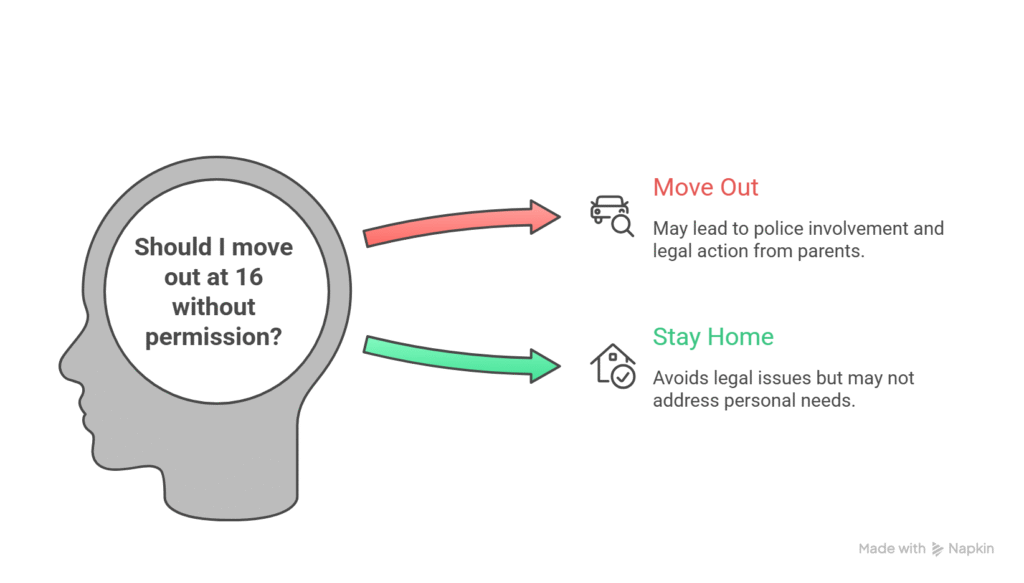
The legal age to leave home is usually 18. At 18, a person is considered an adult. Adults can sign contracts and live independently. Before 18, moving out without permission is often illegal. Parents or guardians are responsible for minors under 18.
State Variations In Age Limits
Age rules vary from state to state. Some states allow minors to leave home at 16 or 17. Others require minors to be older or have special permission. Local laws decide the exact age and conditions. Knowing your state laws is necessary to avoid trouble.
Age of Majority in the USA (2026 Data)
-
18 — Legal adult age in 47 states + Washington D.C.
You can move out, sign contracts, vote, get married without consent (in most states), and live independently. -
19 — Alabama and Nebraska
-
21 — Mississippi
Bottom line: At 16, you are still a minor in every U.S. state, so you generally cannot move out on your own without parental permission or a court order.
However, there are specific legal pathways that can allow a 16-year-old to live independently.
Exceptions To Age Rules
Some exceptions allow minors to move out early. Emancipation is one common exception. It means a court declares a minor independent from parents. Marriage or military service can also change age rules. These exceptions need legal approval and proof of responsibility.
Emancipation Process
Moving out at 16 is not always simple. The law usually protects minors by requiring parental permission. Emancipation is the legal way for a minor to gain independence. It lets a young person handle their own affairs and live separately from their parents. Understanding the emancipation process is important for those who want to move out early.
What Is Emancipation?
Emancipation is a legal status for minors. It means the court recognizes them as adults. The minor gains control over personal and financial decisions. Parents no longer have legal responsibility. This status lets young people live on their own legally. Not all states have the same rules about emancipation.
How To Apply For Emancipation
The process begins by filing a petition in court. The minor must prove they can support themselves. This includes having a job or steady income. They must show they can handle daily life and expenses. A judge will review the case and may hold a hearing. Parents are usually notified and can respond. The court decides if emancipation is in the minor’s best interest.
Rights Gained Through Emancipation
Emancipated minors can sign contracts and rent apartments. They can make medical decisions without parental consent. They may also apply for a driver’s license or financial aid independently. Emancipation gives legal freedom but also full responsibility. The minor must manage bills, housing, and other adult tasks. Courts expect emancipated youth to be mature and self-sufficient.
Parental Consent And Legal Contracts
Moving out at 16 involves more than just packing bags. Legal rules about parental consent and contracts affect your ability to live independently. Understanding these laws helps you know what you can and cannot do.
Renting An Apartment
At 16, renting an apartment is difficult without adult help. Landlords usually require tenants to be 18 or older. This age limit protects both the renter and the property owner. Without being 18, you often need a parent or guardian to co-sign the lease. This means your parents agree to take responsibility for the rent if you cannot pay.
Signing Contracts At 16
Minors generally cannot sign legal contracts alone. Contracts include leases, loans, and service agreements. If you sign without parental consent, the contract may be void. Parents must agree to the terms for the contract to hold. This rule protects young people from making binding decisions too early. It also ensures adults support any commitments made.
Role Of Parental Permission
Parental permission is key when moving out before 18. Parents or guardians control where minors live. They must agree to any new living arrangements. Without their consent, you cannot legally move out. Some states allow emancipation, a legal process freeing minors from parental control. Emancipation lets you sign contracts and rent housing on your own. It requires court approval and proof you can live independently.
Living Arrangements At 16
Living arrangements at 16 can be complex. Most states consider 16-year-olds as minors. This means they cannot legally rent an apartment or sign contracts alone. Parents or guardians usually have the legal responsibility to care for them. Still, some teens explore options to live away from home. Understanding these options is important before making any decisions.
Living With Friends Or Relatives
Many 16-year-olds think about living with friends or relatives. This option may feel safer and more familiar. Yet, moving in with others requires parental permission. Without it, the law may view the teen as a runaway. Friends or relatives cannot legally take full responsibility. Courts may get involved if the situation causes concern. Always discuss plans with a trusted adult first.
Foster Care And Alternative Options
Foster care provides a legal home for teens without parental care. It is arranged by child welfare agencies. Teens may enter foster care if their home is unsafe. Group homes and transitional living programs also exist. These options aim to offer stability and support. Teens should contact social services to learn more. Each state has different rules and programs available.
Risks Of Moving Out Early
Leaving home at 16 carries many risks. Teens might face financial struggles and lack of support. They may not access healthcare or education easily. Legal troubles can arise without proper guardianship. Emotional stress and loneliness are common challenges. Planning and seeking help reduces these dangers. It is best to consider all factors before moving out.
Legal Support And Resources
Moving out at 16 raises many legal questions. Understanding your rights and options helps avoid trouble. Various resources exist to guide young people through this process. Legal support can clarify what you can and cannot do under the law. These resources also protect your safety and well-being.
Knowing where to find help is important. Support ranges from professional legal advice to organizations that assist youth. Emergency services offer immediate help for those in crisis or unsafe situations. Accessing these resources can make a difficult time easier and safer.
Seeking Legal Advice
Talking to a lawyer can explain your legal rights clearly. Lawyers know the laws about moving out before 18. They help you understand emancipation and other legal options. Some legal services offer free advice for minors. Legal guidance prevents mistakes and protects your interests.
Youth Advocacy Organizations
Many groups support teens facing family or housing issues. They offer counseling, advice, and sometimes shelter. These organizations understand challenges young people face. They work to protect your rights and provide resources. Contacting them can give you practical help and hope.
Emergency Help For Runaways
Runaway youth may face dangerous situations without support. Hotlines and shelters provide urgent help and safety. Trained staff listen and offer advice confidentially. Emergency services can connect you to longer-term care. Knowing these options can save lives during crisis moments.
Practical Advice If You Want to Move Out at 16
- Talk first — Try to work things out with parents or a trusted adult.
- Seek help if unsafe — Call Childhelp USA (1-800-4-A-CHILD) or the National Runaway Safeline (1-800-RUNAWAY) for confidential support.
- Document everything — Keep records of abuse, neglect, or unsafe conditions if pursuing CPS or emancipation.
- Plan financially — Have a job, savings, and housing lined up before leaving.
- Get legal advice — Contact legal aid or a family law attorney (many offer free consultations) to explore emancipation or other options.
- Know your state — Rules vary — check your state’s family court or emancipation laws online.
Frequently Asked Questions
Can You Move Out At 16 With Parents’ Permission?
You can move out at 16 with your parents’ permission, but you cannot sign legal contracts alone. Emancipation may be needed for full independence.
Can A 16-year-old Legally Move Out Alone?
At 16, you generally cannot legally move out without parental consent or court approval. Emancipation is required to gain legal independence before 18.
What Is Emancipation And How Does It Work?
Emancipation is a legal process where a minor gains adult status. It allows a 16-year-old to live independently with court permission.
Can Teens Rent An Apartment At 16?
Minors cannot sign legal contracts, including leases, without a parent or guardian’s consent. Renting alone at 16 is usually not legally allowed.
Conclusion
Moving out at 16 is not usually legal without special permission. Courts may grant emancipation in certain cases. Without it, parents or guardians have legal responsibility. Renting or signing contracts requires adult consent. Understanding your state’s laws helps avoid problems.
Talk to a trusted adult or legal advisor first. Planning carefully ensures your safety and future success. Living independently is a big step with many rules. Stay informed and make wise choices before moving out.
Disclaimer: The content on this page is for general information only and should not be considered legal advice. We work hard to provide accurate and up-to-date details, but we can't guarantee the completeness or accuracy of the information. Laws and rules change often, and interpretations may vary. For specific advice, always consult a qualified legal expert. We are not liable for any actions you take based on this information. If you spot any errors or outdated content, please contact us, and we’ll update it as soon as possible.