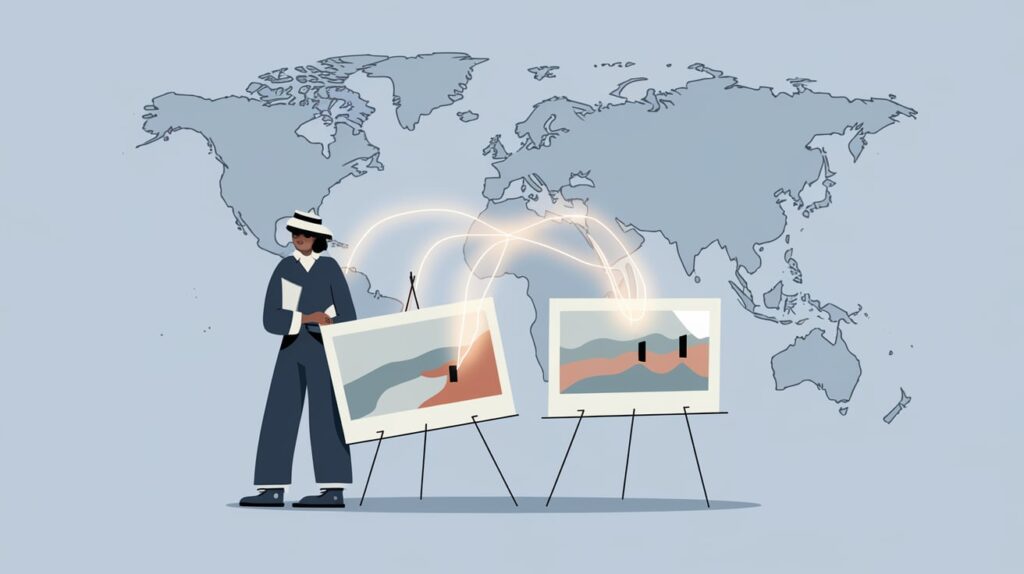
Have you ever wondered what happens to your creative work after you sell it? Imagine someone altering your artwork or using it without giving you credit.
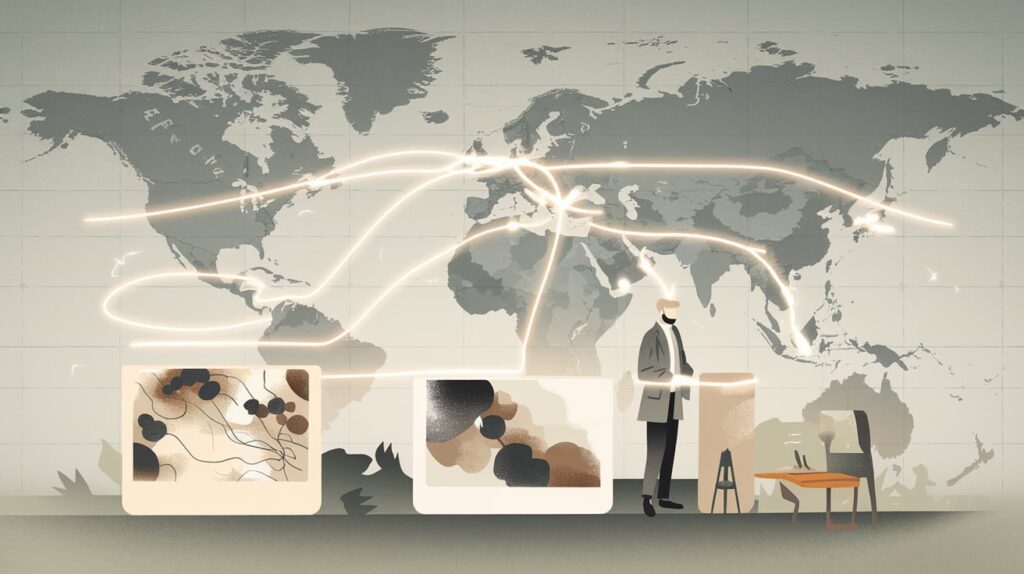
That’s where moral rights come in—they protect your personal connection to your creations, no matter where you are in the world. Unlike traditional copyright, moral rights ensure you stay recognized as the true creator and prevent others from changing your work in ways that could harm your reputation.
If you’re an artist or creator, understanding these rights is essential to safeguard your art internationally. Keep reading to discover what moral rights really mean and how they protect your creative legacy across borders.
Moral Rights Defined
Moral rights protect the personal and reputational connection artists have with their work. These rights focus on the artist’s identity and the integrity of their creation. Unlike economic rights, moral rights do not deal with selling or copying the work. Instead, they ensure artists receive credit and prevent misuse that harms their reputation. These protections continue even after the artwork is sold or transferred.
Moral rights vary by country but usually include the right to be recognized as the creator and to stop any changes that damage the work’s original meaning or quality. Laws like the Visual Artists Rights Act (VARA) in the United States provide important safeguards for visual artists. Understanding moral rights helps artists maintain control over their creations worldwide.
Personal Connection To Art
Artists often feel a deep personal bond with their work. Moral rights protect this connection by allowing artists to control how others use their creations. The right of attribution means artists can be identified as the creators. It stops others from claiming credit or hiding the artist’s name.
The right of integrity lets artists prevent changes that harm their honor or reputation. For example, an artist can object if their painting is altered or displayed in a way that damages its meaning. These rights respect the emotional and creative effort behind every piece of art.
Difference From Economic Rights
Moral rights are different from economic rights, which involve the money made from a work. Economic rights include selling copies, licensing, or reproducing the art. These rights can be sold or transferred to others. Moral rights, however, stay with the artist personally.
This means even if the artist sells the artwork, they still have the right to be credited and to prevent harmful changes. Economic rights focus on financial gain. Moral rights focus on respect and recognition. Both are important but serve different purposes in protecting artists.
Key Moral Rights For Artists
Moral rights protect an artist’s personal connection to their work. They focus on respect and recognition rather than money. These rights help artists control how their work is credited and altered. They apply even after the work is sold. Understanding key moral rights helps artists safeguard their creative identity worldwide.
Different countries may have varying laws, but these core rights are common. They allow artists to claim authorship, prevent false credit, and stop harmful changes. Below are the main moral rights every artist should know.
Right Of Attribution
This right lets artists be recognized as the creator of their work. It stops others from claiming credit for art they did not create. Artists can also choose to remain anonymous if they wish. Proper attribution ensures their name stays linked to their creation.
Right Of Integrity
Artists can object to changes that harm their work’s reputation. This includes distortions, mutilations, or modifications. The right protects the artist’s honor by keeping their work true to their vision. It prevents misuse that could damage their name.
Right Of Disclosure
This right allows artists to control when and how their work is first shown to the public. They decide the timing and manner of the initial release. It helps maintain the work’s impact and the artist’s creative control over its debut.
Right Of Paternity
Often part of attribution, this right ensures the artist’s name stays with the work. It means the artist’s identity is permanently connected to their creation. This right supports the artist’s legacy and professional reputation worldwide.
How Moral Rights Operate
Moral rights protect the personal connection between an artist and their work. These rights focus on respect for the creator’s name and the integrity of the artwork. They operate differently from economic rights like copyright, emphasizing the artist’s honor and reputation.
Understanding how moral rights work helps artists maintain control over their creations worldwide. These rights continue even after the artwork is sold or transferred.
Separation From Copyright
Moral rights are separate from copyright. Copyright covers economic benefits, such as selling or licensing the work. Moral rights protect the personal and reputational interests of the artist. They cannot be sold or transferred. These rights stay with the artist regardless of who owns the copyright.
Protection After Sale
Moral rights remain with the artist even after the sale of the artwork. This means the artist can stop others from altering or damaging the work. The buyer cannot change the art in a way that harms the artist’s reputation. This protection helps maintain the original vision and respect for the creator.
Jurisdictional Variations
Moral rights vary across countries. Civil law countries like France offer strong protections. Common law countries such as the United States provide limited rights. The US protects visual artists under the Visual Artists Rights Act (VARA). Artists should know their rights based on where they live or sell their work.
Duration Of Protection
The length of moral rights protection differs by law. In many places, moral rights last as long as copyright, often the artist’s lifetime plus decades. Some countries allow moral rights to continue indefinitely. Others set specific time limits. Artists need to understand how long their rights last in each jurisdiction.
International Legal Frameworks
International legal frameworks shape how moral rights protect artists worldwide. These frameworks vary by country and region, influencing how artists’ personal connections to their work are respected and preserved. Understanding these differences helps artists and audiences recognize the scope of moral rights protection beyond borders.
Civil Law Vs Common Law Countries
Civil law countries, like France and Germany, strongly protect moral rights. These rights are often inalienable and last even after the artist sells the work. Civil law systems view moral rights as personal and permanent.
Common law countries, such as the United States and the United Kingdom, provide weaker moral rights protection. Here, moral rights are usually linked to copyright and may be limited or waived by contract. Protection often ends when the work is sold.
Visual Artists Rights Act (vara)
The Visual Artists Rights Act (VARA) is a U.S. federal law enacted in 1990. It grants visual artists specific moral rights, including the right to claim authorship and prevent distortion or destruction of their work.
VARA covers paintings, sculptures, and photographs but excludes works made for hire. It protects artists from unauthorized changes that harm their reputation or honor. VARA marks significant progress in U.S. moral rights law.
Other Regional Protections
Europe offers strong regional protections through the Berne Convention and the EU Copyright Directive. These frameworks require member states to protect moral rights of artists consistently.
Some Asian countries, like Japan and South Korea, also recognize moral rights, blending civil and common law traditions. Protection levels vary but generally include attribution and integrity rights.
Latin American countries often follow civil law models, emphasizing moral rights that cannot be waived or transferred. These protections ensure artists maintain control over their work’s personal value.
All International Protection of Moral Rights
Moral rights are protected globally through treaties and national laws, though implementation differs significantly:
-
Berne Convention for the Protection of Literary and Artistic Works (1886):
-
The foundational international treaty, ratified by over 180 countries, mandates moral rights in Article 6bis.
-
Requires member states to grant authors the right of attribution and integrity, independent of economic rights.
-
Rights last at least until the author’s death, with some countries extending them perpetually.
-
-
TRIPS Agreement (1994):
-
Administered by the World Trade Organization (WTO), incorporates Berne Convention moral rights provisions (Article 9).
-
Enforces compliance through trade sanctions for member states.
-
-
WIPO Copyright Treaty (1996):
-
Reinforces moral rights in the digital age, applying them to online works.
-
Country-Specific Variations
-
Strong Protection (Civil Law Countries):
-
France: Originator of moral rights (“droit moral”), perpetual, inalienable, and extensive (Code de la Propriété Intellectuelle, Art. L121-1). Includes rights of disclosure and withdrawal.
-
Germany: Strong integrity and attribution rights, perpetual for some (Urheberrechtsgesetz § 12–14).
-
Italy: Perpetual moral rights (Legge sul Diritto d’Autore, Art. 20).
-
-
Moderate Protection:
-
United Kingdom: Attribution and integrity rights, but waivable and limited to the author’s life plus 70 years (Copyright, Designs and Patents Act 1988, § 77–85).
-
-
Limited Protection (U.S.):
-
The U.S. provides narrow moral rights under the Visual Artists Rights Act (VARA, 17 U.S.C. § 106A, 1990).
-
Applies only to visual arts (e.g., paintings, sculptures in single copies or limited editions of 200 or fewer).
-
Grants attribution and integrity rights, waivable in writing, lasting the author’s life.
-
No moral rights for literature, music, or most commercial works.
-
Example: In Gilliam v. American Broadcasting Companies (1976), the court recognized limited moral rights under copyright law pre-VARA.
-
-
Other Jurisdictions:
-
Canada: Moral rights are inalienable but waivable (Copyright Act, R.S.C. 1985, c. C-42, § 14.1).
-
China: Strong moral rights, perpetual attribution (Copyright Law of the People’s Republic of China, Art. 10).
-
Common Moral Rights Violations
Moral rights help protect artists from harm to their reputation and personal connection to their work. These rights focus on respecting the creator’s name and the integrity of their artwork.
Common violations of moral rights happen when the artist’s work is misused or disrespected. Such actions can damage the artist’s honor and public image.
Improper Attribution
Improper attribution means failing to credit the artist properly. This happens when someone else is named as the creator or the artist is left uncredited. It can confuse the public and harm the artist’s reputation.
Attribution is important because it links the artist to their work. Denying this right can reduce their recognition and future opportunities.
Distortion And Mutilation
Distortion occurs when the artwork is changed in a way that harms its original message or style. Mutilation means damaging or altering the work physically or digitally.
Artists have the right to prevent changes that hurt their honor. Distorting a work can mislead viewers and damage the artist’s reputation.
Unsuitable Display Contexts
Unsuitable display contexts happen when artwork is shown in a place or manner that harms its meaning or the artist’s image. For example, placing a serious painting in a disrespectful setting.
Artists can object to such displays to protect their work’s dignity. This right helps maintain the respect their art deserves worldwide.
Enforcement Challenges
Enforcing moral rights for artists presents many challenges worldwide. These rights protect an artist’s personal connection to their work, but turning those protections into action can be difficult. Different legal systems, proving damage, and cross-border issues complicate enforcement.
Cross-border Issues
Artists often face problems when their work is used in another country. Laws vary greatly between nations, making it hard to apply moral rights consistently. An artist may win protection in one country but lose it in another. This lack of uniform rules creates confusion and limits enforcement. International cooperation is rare, so artists struggle to defend their rights beyond their home borders.
Proving Harm To Reputation
One core aspect of moral rights is protecting an artist’s honor or reputation. Courts require clear evidence that the work’s alteration caused harm. Proving this damage is complex and subjective. Minor changes may not be seen as harmful. Artists must show how modifications affect their reputation negatively. This high standard often prevents successful claims and weakens moral rights enforcement.
Limitations In Certain Jurisdictions
Some countries offer limited or no protection for moral rights. Common law countries, like the United States, have weaker moral rights compared to civil law countries, such as France. In these places, moral rights may only apply to specific art forms or for a short time. This patchy protection leaves many artists vulnerable. Without strong laws, enforcing moral rights becomes nearly impossible.
Benefits Of Moral Rights For Artists
Moral rights offer essential benefits to artists worldwide. These rights protect artists’ personal bond with their creations. They ensure respect for the artist’s vision and reputation. Moral rights guard the artist’s connection to their work beyond economic interests. Artists gain control over how their work is presented and credited. This protection supports creativity and artistic freedom across borders.
Maintaining Artistic Integrity
Moral rights help artists keep their work true to their original vision. Artists can stop changes that distort or damage their creation. This protection prevents mutilation or modification without permission. It keeps the artwork’s meaning and message intact. Artistic integrity stays safe, preserving the creator’s intent.
Protecting Reputation
Artists’ reputations depend on how their work is shown to the public. Moral rights allow artists to prevent false attribution or misuse. They can object to any alteration that harms their honor. This protection guards against damage to the artist’s name. It helps maintain public trust and respect for their work.
Control Over Work’s Public Presentation
Artists have the right to decide how and when their work is shown. Moral rights give them control over public display and distribution. This control ensures the artwork appears in suitable settings. It prevents presentations that could degrade or misrepresent the work. Artists can protect their creative image worldwide.
How Moral Rights Protect Artists Internationally
Moral rights safeguard artists by:
- Preserving Reputation: Preventing derogatory alterations that could damage an artist’s honor (e.g., a mural being painted over without consent).
- Ensuring Credit: Requiring proper attribution, even after selling economic rights.
- Cultural Integrity: Protecting works of cultural significance, such as indigenous art or architectural designs.
- Digital Age Relevance: Addressing issues like AI-generated modifications or deepfakes altering artists’ works.
Landmark Cases
- Snow v. The Eaton Centre Ltd. (1982, Canada): A sculptor successfully prevented festive decorations on his goose sculptures, violating integrity rights.
- Gilliam v. ABC (1976, U.S.): Monty Python creators stopped edited broadcasts of their shows, influencing VARA’s passage.
Limitations and Challenges
- Waivability: In common law countries like the U.S. and UK, moral rights can often be waived, reducing protection.
- Enforcement Variability: Strong in Europe but limited in the U.S., leading to forum shopping in international disputes.
- Digital Challenges: Online alterations or NFTs raise new questions about integrity rights.
- Perpetual vs. Term-Limited: Perpetual rights (e.g., France) can conflict with public domain access.
Practical Tips for Artists
Consult IP Attorneys: Work with lawyers specializing in international copyright to enforce rights across borders.
Register Works: In the U.S., register copyrights to strengthen related claims (17 U.S.C. § 411).
Include Clauses in Contracts: Specify moral rights retention when selling or licensing works.
Monitor Usage: Use tools like Google Alerts or reverse image search to detect unauthorized modifications.
Seek International Protection: For global works, rely on Berne Convention reciprocity.
Frequently Asked Questions
What Are The Moral Rights Of Artists?
Moral rights let artists claim authorship, prevent false credit, and stop work distortion harming their reputation. These rights stay with artists even after selling their work.
What Is The Definition Of A Moral Right?
A moral right protects an artist’s personal connection to their work. It ensures proper attribution and prevents harmful alterations. These rights remain with the creator even after selling the work. They include the right to claim authorship, object to distortion, and control disclosure of the work.
What Do Moral Rights Protect?
Moral rights protect an artist’s personal connection to their work. They ensure proper credit, prevent false attribution, and stop harmful alterations. These rights safeguard an artist’s honor and reputation, even after selling the work, allowing control over attribution and integrity.
What Are The 4 Moral Rights Of Copyright?
The four moral rights of copyright are: the right of attribution, right of integrity, right of disclosure, and right to object to false attribution. These rights protect an artist’s personal connection to their work, ensuring proper credit and preventing harmful alterations.
Conclusion
Moral rights give artists control over their work’s credit and use. These rights protect their reputation and personal connection to art. Artists keep these rights even after selling their work. Laws vary by country but share the goal of respect for creators.
Understanding moral rights helps artists defend their honor worldwide. This protection supports creativity and ensures fair treatment across borders. Artists gain more than money—they gain respect and recognition. Moral rights matter for every creator’s voice and legacy.
References
- Berne Convention for the Protection of Literary and Artistic Works, Article 6bis (1886, as amended).
- Visual Artists Rights Act, 17 U.S.C. § 106A (2025).
- French Intellectual Property Code, Art. L121-1 (2025).
- German Copyright Act (Urheberrechtsgesetz) § 12–14 (2025).
- UK Copyright, Designs and Patents Act 1988, § 77–85 (2025).
- Canadian Copyright Act, R.S.C. 1985, c. C-42, § 14.1 (2025).
- Snow v. The Eaton Centre Ltd., 70 C.P.R. (2d) 105 (Ont. H.C. 1982).
- World Intellectual Property Organization. (2025). Moral Rights.
- U.S. Copyright Office. (2025). Visual Artists Rights Act.
Disclaimer: The content on this page is for general information only and should not be considered legal advice. We work hard to provide accurate and up-to-date details, but we can't guarantee the completeness or accuracy of the information. Laws and rules change often, and interpretations may vary. For specific advice, always consult a qualified legal expert. We are not liable for any actions you take based on this information. If you spot any errors or outdated content, please contact us, and we’ll update it as soon as possible.