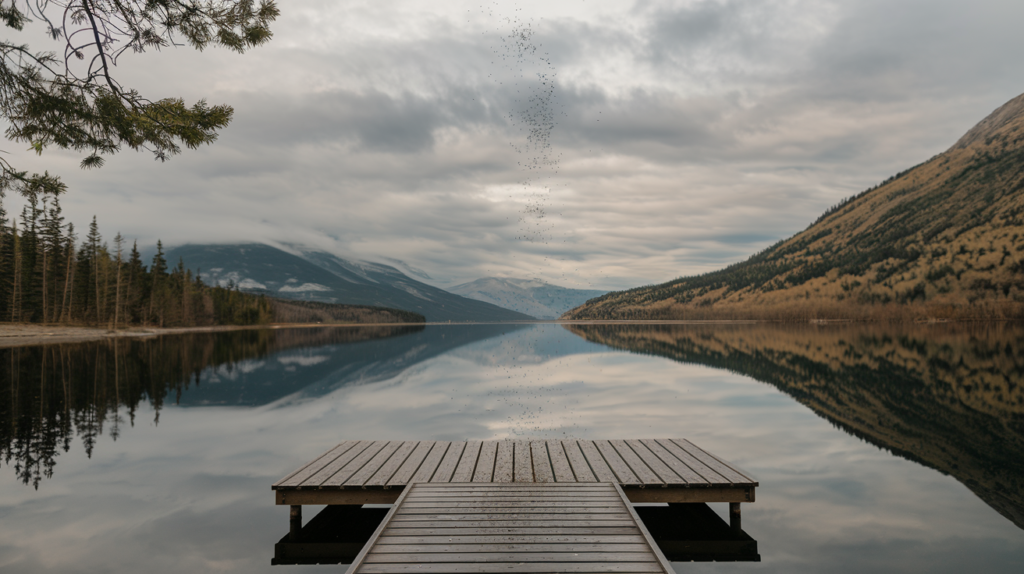
Losing a loved one is never easy, and choosing the right way to honor their memory can feel overwhelming. If you’re considering scattering ashes, you probably wonder where you can do it legally without facing fines or trouble.
You want to make sure your tribute respects the law and the environment, while also giving you a peaceful place to say goodbye. This guide will help you understand exactly where you can legally scatter ashes, what permissions you might need, and which spots to avoid.
Keep reading to find out how to make this meaningful act both heartfelt and lawful.
Legal Limits On Ash Scattering
Scattering ashes is a meaningful way to honor a loved one’s memory. Before doing so, understanding the legal limits is essential. Laws vary depending on the location, type of land, and method used. Knowing these rules helps avoid fines and legal trouble. It also ensures the act respects public and private spaces.
Restricted Areas
Many public places restrict ash scattering. Beaches, piers, and wading pools often forbid it. Environmental laws protect these areas from pollution. Inland waters like lakes and rivers usually need permits. State and local agencies enforce these rules strictly. Always check local regulations before scattering ashes there.
Private Property Rules
Scattering ashes on private land requires permission. Landowners must give written consent. Without permission, it is considered trespassing. Laws differ by state, but unauthorized scattering can lead to fines. Respecting property rights keeps scattering legal and peaceful.
Federal Land Regulations
Federal lands, such as National Parks, have special rules. Most parks forbid scattering without a permit. Some parks allow it only in designated areas. The National Park Service issues permits and sets guidelines. Contact the park office before planning any scattering there.
Airborne Scattering Laws
Scattering ashes from aircraft follows strict federal rules. The Federal Aviation Administration (FAA) regulates this activity. Ashes must be removed from containers before release. Scattering must not endanger people or property below. Pilots and families must follow FAA safety guidelines carefully.
Key Regulatory Bodies
Scattering ashes is a meaningful way to honor loved ones. Understanding the rules helps avoid legal issues. Several key regulatory bodies govern where and how ashes can be scattered. Each agency has its own jurisdiction and guidelines. Knowing these can guide you in making the right choices.
Federal Aviation Administration
The Federal Aviation Administration (FAA) sets rules for scattering ashes from aircraft. Ashes must be removed from containers before scattering. Dropping ashes cannot harm people or property on the ground. Pilots and passengers must follow FAA safety rules strictly. These regulations ensure safe and respectful scattering during flights.
State And Local Authorities
State and local governments regulate scattering in parks, lakes, and rivers. Rules vary widely between states and cities. Many places require permits for scattering on public land. Private property needs written permission from the owner. Always check local laws to avoid fines or legal trouble.
Environmental Protection Agency
The Environmental Protection Agency (EPA) protects water and land from pollution. Scattering ashes in bodies of water often needs EPA approval. The Clean Water Act forbids scattering on beaches, piers, and wading pools. This prevents contamination and protects wildlife. Following EPA rules keeps the environment safe and clean.
Common Legal Scattering Spots
Scattering ashes is a meaningful way to honor a loved one’s memory. Knowing the common legal spots helps you respect rules and nature. Laws vary by location, so choosing approved places is important. Below are popular legal places where scattering ashes is allowed.
Private Land With Permission
Scattering ashes on private land needs the owner’s clear consent. This ensures you respect property rights and avoid legal trouble. Always get written permission before proceeding. It is a personal and peaceful option, especially if the land holds special meaning.
Designated Areas In National Parks
Many national parks allow scattering ashes but only in certain designated spots. You must obtain a permit from park authorities first. These areas protect the environment and maintain park beauty. Following park rules keeps the natural space safe for everyone.
Certain Public Parks
Some public parks permit scattering ashes with prior approval. Local governments set specific guidelines to protect the community and park lands. Contact park officials to learn about rules and necessary permits. This option offers a tranquil setting for remembrance.
Open Waters With Permits
Scattering ashes at sea or on other open waters often requires a permit. The EPA regulates this to prevent pollution and protect wildlife. Coastal and state agencies issue permits and provide instructions. This method suits those who loved the ocean or lakes.
Top Legal Spots to Scatter Ashes in the U.S.
- At Sea/Ocean:
- Most popular and unrestricted (beyond 3 miles).
- Options: Charter boats, “burial at sea” services, or biodegradable urns.
- Popular: Pacific off California, Atlantic off Florida.
- National Parks and Forests:
- Permitted in nearly all with a special use permit (free or low-cost).
- Favorites: Grand Canyon (Arizona), Yellowstone (Wyoming), Great Smoky Mountains (Tennessee/North Carolina).
- Rules: Disperse completely; no markers.
- Private Land (With Permission):
- Family farms, ranches, or backyards—ideal for personal connection.
- Get written consent; consider deed notation for future owners.
- Scattering Gardens in Cemeteries:
- Designated areas in many cemeteries for ash scattering.
- Advantages: Maintained, recorded location.
- Lakes, Rivers, and Mountains:
- Inland waters: Check state laws—some require permits (e.g., no scattering in drinking water sources).
- Mountains: BLM or USFS land often allows it.
- Disney Parks or Theme Parks:
- Myth: Secret scatterings happen, but officially prohibited—violators face bans or cleanup fees.
- Sports Stadiums or Venues:
- Rarely allowed; requires special permission (e.g., Yankee Stadium has denied requests).
Steps Before Scattering
Before scattering ashes, follow important steps to ensure the process is legal and respectful. Each location has rules to protect the environment and private property. Taking these steps helps avoid fines or legal trouble.
Start by learning who controls the land. Then, find out if you need special permits. Finally, check with authorities to confirm all regulations are met.
Obtain Landowner Consent
Always get permission from the landowner before scattering ashes. Private property owners have the right to say no. Without consent, you may face legal issues like trespassing. Written permission is best to avoid misunderstandings.
Check Permit Requirements
Many places require permits to scatter ashes. Parks, beaches, and public lands often have strict rules. Permits help protect natural areas and maintain cleanliness. Contact local offices or park authorities to learn about permit rules.
Consult Relevant Agencies
Speak with environmental or health agencies before scattering ashes. They provide guidance on state and federal laws. For example, the EPA regulates ashes near water. National parks also have specific rules and require permits. These agencies ensure safe and legal scattering.
Techniques For Discreet Scattering
Scattering ashes can be a meaningful way to honor a loved one’s memory. Choosing a discreet method helps maintain privacy and respect for the surroundings. Many prefer subtle techniques that blend the ashes naturally into the environment. These methods also reduce disturbance to others and protect the location’s beauty. Below are some simple, effective ways to scatter ashes quietly and respectfully.
Trenching Method
The trenching method involves digging a small hole or shallow trench. Ashes are placed inside and covered with soil or natural materials. This hides the ashes and helps them blend with the earth. The trench should be shallow enough to avoid disturbing roots or wildlife. This method is ideal for private gardens or wooded areas. It keeps the scattering private and environmentally friendly.
Surface Raking
Surface raking spreads ashes gently over the ground surface. Use a rake or your hand to scatter ashes in a natural pattern. This technique works well in grassy fields or open spaces. It allows ashes to mix with leaves, grass, or soil naturally. Surface raking leaves no clear sign of scattering, maintaining discretion. It is simple and requires no digging or special tools.
Use Of Biodegradable Urns
Biodegradable urns hold ashes while slowly breaking down in the environment. These urns can be buried or placed in water, depending on material type. They offer a discreet way to scatter ashes without direct handling. As urns decompose, ashes are released naturally into the soil or water. This method respects nature and avoids visible remains. It suits those seeking a quiet, eco-friendly option.
State-specific Guidelines
State laws about scattering ashes vary a lot. Each state has rules about where and how you can spread cremated remains. Knowing these rules helps you avoid fines and respects the environment. Below are some examples from different states to guide you.
Rules In Illinois
Illinois allows scattering ashes on private land with the owner’s permission. Public parks and waterways require special permits. Scattering in state parks is often limited to designated areas. Always check local regulations before proceeding.
Scattering In Michigan
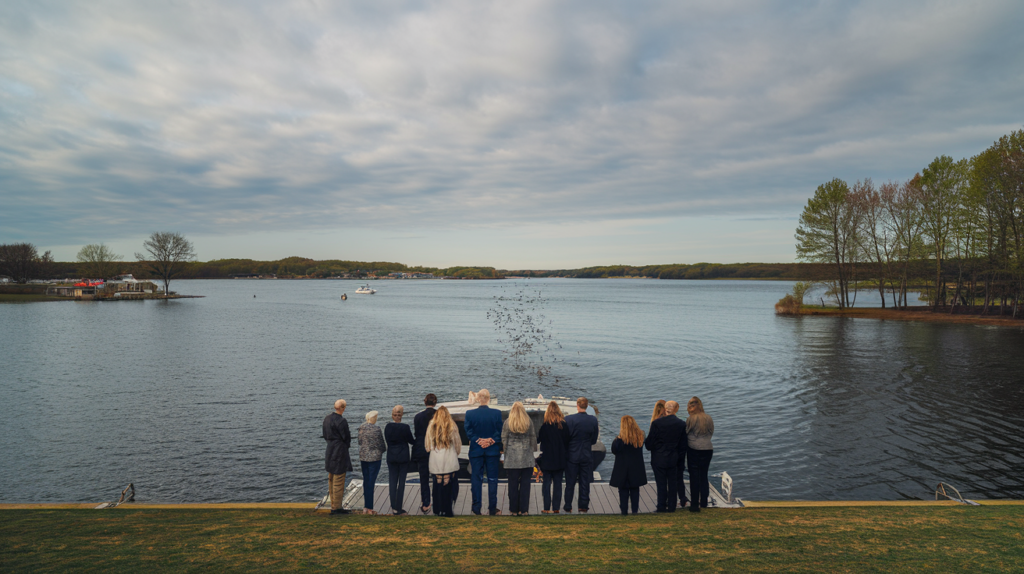
Michigan permits spreading ashes on private property with consent. You can scatter ashes in lakes or rivers, but only with a permit. State parks usually do not allow scattering without approval. Follow health department rules for water areas.
Laws In California
California requires permission to scatter ashes on private land. Many state parks allow scattering only in certain spots. Ashes cannot be scattered on beaches without a permit. Coastal waters have strict rules to protect marine life.
Ohio Regulations
Ohio allows scattering ashes on private land with the owner’s consent. Scattering in public parks needs a permit from local authorities. Ashes can be scattered on water with proper approval. Check city and county rules before scattering.
Places To Avoid
Scattering ashes is a meaningful way to honor a loved one. Not every location allows it by law. Some places are off-limits to protect the environment and respect local rules. Knowing where not to scatter ashes helps avoid fines and legal trouble. It also ensures you respect public spaces and private property.
Beaches And Piers
Scattering ashes on beaches or piers is usually illegal. The Environmental Protection Agency (EPA) restricts this to protect marine life and water quality. Many local laws ban ash scattering in these areas. Even if the water looks open, permission is needed. Avoid beaches and piers unless you have official approval.
Wading Pools
Wading pools are not suitable for scattering ashes. These small pools often serve children and public recreation. Authorities prohibit scattering ashes here to keep the water safe and clean. It can cause health risks and pollution. Always choose a more appropriate and legal location.
Amusement Parks
Amusement parks are private properties with strict rules. Scattering ashes here without permission is trespassing and illegal. These parks have many visitors and safety regulations. Respect their policies and avoid these venues. Seek other peaceful places designed for memorials.
Protected Water Bodies
Protected lakes, rivers, and streams usually require permits for ash scattering. These water bodies have special environmental status. State or local agencies set strict rules to preserve their natural state. Scattering ashes without permission can lead to fines. Always check with authorities before choosing these sites.
International Options
Australia: Allowed with environmental considerations.
UK: Legal on private land with permission; sea scattering unrestricted.
Canada: Provincial rules; national parks require permits.
Frequently Asked Questions
Where Is It Illegal To Scatter Ashes?
Scattering ashes is illegal without permission on beaches, piers, inland waters, private property, federal lands, and from aircraft. Always check local, state, and federal rules before scattering ashes to avoid legal issues.
Can I Scatter Human Ashes Anywhere?
You cannot scatter human ashes anywhere. Obtain permission on private land and check local, state, and federal laws for public or protected areas. Many places, like beaches, parks, and federal lands, require permits or forbid scattering. Always follow regulations to avoid legal issues.
How To Scatter Ashes Discreetly?
Scatter ashes discreetly by choosing a private, quiet location with permission. Use a small container and scatter ashes gently on a calm day. Avoid crowded or restricted areas and follow local laws to respect privacy and legality.
Is It Against The Law To Spread Ashes In Texas?
In Texas, spreading ashes is legal on private property with permission. Public lands and waters often require permits. Avoid beaches and federal parks without authorization. Always check local regulations before scattering ashes.
Conclusion
Scattering ashes honors a loved one’s memory with care and respect. Always check local laws before choosing a place. Permission matters, especially on private or federal land. Some areas like beaches and lakes have strict rules or bans. Following guidelines helps keep the environment safe and honors legal boundaries.
Thoughtful planning ensures a meaningful, legal tribute. Remember, simple steps protect your peace of mind and the memory you cherish.
References
- Cremation Association of North America. Scattering Ashes Laws.
- Funeral Consumers Alliance. Scattering Ashes Guide.
Disclaimer: The content on this page is for general information only and should not be considered legal advice. We work hard to provide accurate and up-to-date details, but we can't guarantee the completeness or accuracy of the information. Laws and rules change often, and interpretations may vary. For specific advice, always consult a qualified legal expert. We are not liable for any actions you take based on this information. If you spot any errors or outdated content, please contact us, and we’ll update it as soon as possible.