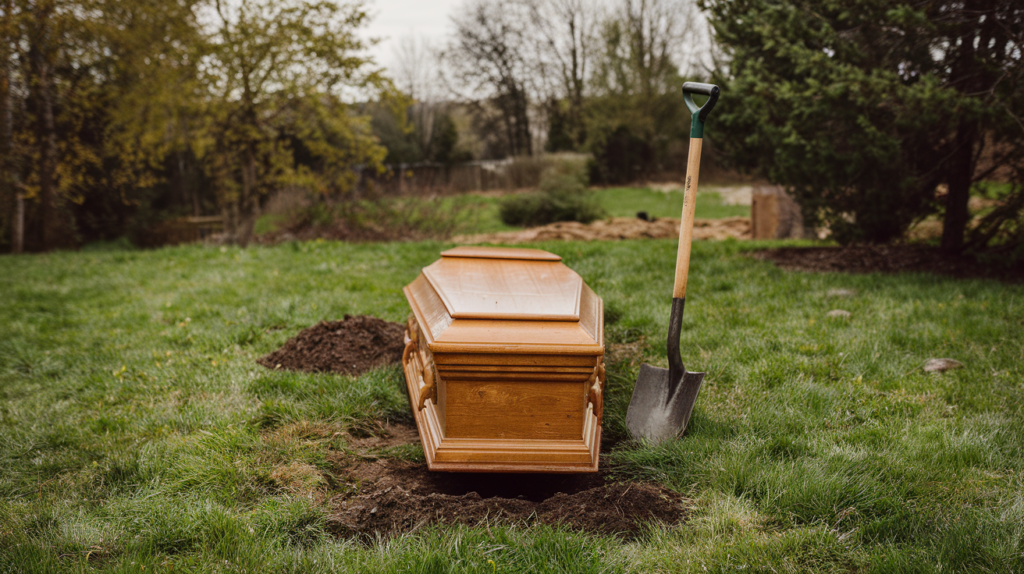
Have you ever wondered if you could bury a loved one right in your own backyard? It might seem like a simple, heartfelt way to keep them close forever.
But before you start digging, you need to know what the law says. Can you legally bury someone on your private property? What rules or permits might you need? And how do local laws, especially in places like Austin, Texas, affect your options?
This article will guide you through the important facts and legal steps you must consider. Keep reading to find out if home burial is truly possible for you and what you need to do to make it happen without running into trouble.
Is Backyard Burial Legal in the U.S.?
Backyard burial laws vary widely across the United States. Each state sets its own rules about whether you can bury a loved one on private land. Understanding these laws helps avoid legal trouble and ensures proper handling of remains.
Some states allow private property burials with specific conditions. Others require permits and have strict zoning laws. Knowing these details is essential before planning a backyard burial.
Backyard Burial Laws By State
Home burials are legal in most U.S. states, but not universally permitted. As of 2026:
-
Prohibited Outright: California, Indiana, and Washington State explicitly ban burying human remains outside established cemeteries (Cal. Health & Safety Code § 7054; Ind. Code § 23-14-31-26; RCW 68.50.130).
-
Washington, D.C.: Effectively prohibited due to space and zoning restrictions.
-
Allowed in 46 States: No state law forbids it, but local zoning, health regulations, and permits often apply. Rural areas are more permissive than urban or suburban ones.
Even in permissive states, backyard burials are rare due to strict local rules on setbacks (distances from water sources, property lines, roads), depth requirements, and environmental protections.
States Allowing Private Property Burials
Several states permit burials on private land. Examples include North Carolina, Ohio, North Dakota, and New York. Most require a burial-transit permit before burial. These states often have clear guidelines to follow for private burials.
In states like North Carolina and Ohio, permits are needed, but some do not require a transit permit. New York and North Dakota require both. Always check the exact rules in your state before proceeding.
Permit Requirements
Most states demand burial permits for private property burials. The permit process usually involves submitting death certificates and burial plans. Authorities want to ensure the burial meets health and safety standards.
Some states require a burial-transit permit if the body is moved from another location. The permit confirms the body’s legal transport and final resting place. Without proper permits, legal issues may arise.
Zoning Regulations
Zoning laws often control where burials can occur on private property. Local governments restrict burials in residential or commercial zones. These rules protect public health and community interests.
Some areas may require a minimum distance between the grave and water sources or property lines. Zoning also dictates grave depth and burial site maintenance. Always consult local zoning offices before burial.
-
Examples:
-
Texas: No state prohibition; rural areas often allow it with county permits.
-
New York: Possible with local approval, but urban areas restrict it.
-
Florida: Allowed on private land with health department oversight.
-
Massachusetts: Requires local board of health and governing body approval.
-
Check your state’s Department of Health or local zoning board for current rules, as municipal ordinances can override state permissiveness.
Legal Steps For Home Burial
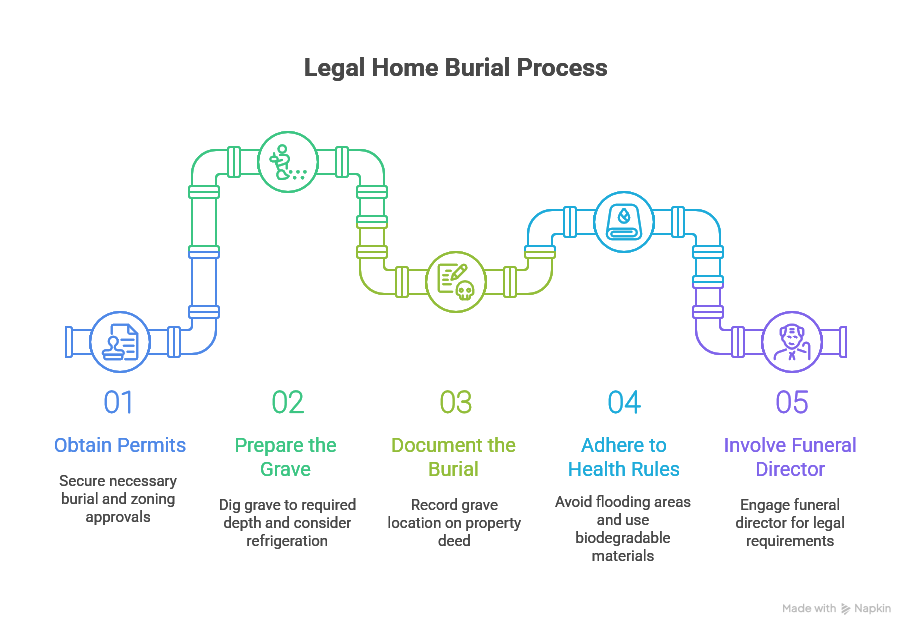
Burying a loved one at home requires following legal steps carefully. Every state and county has rules about home burial. These rules ensure health safety and proper documentation. Understanding these steps avoids legal troubles and ensures respectful handling of the deceased.
Obtaining Burial-transit Permits
A burial-transit permit is essential before burial. This permit confirms the death and authorizes burial or transportation. You must request this permit from the local health department or medical examiner. Without it, burial on private land is illegal. This document protects public health and verifies death details.
Role Of Funeral Directors
Funeral directors help handle legal and practical burial matters. They prepare the body and file necessary permits. Some states require funeral director involvement even for home burial. They guide families through paperwork and health regulations. Their expertise ensures compliance with local laws and smooth burial processes.
Embalming Rules
Embalming is not always mandatory for home burial. Usually, it is required only if the deceased had a contagious disease. Local health laws determine embalming requirements. When necessary, embalming prevents health risks during burial. Knowing the rules helps families avoid delays and legal issues.
Local Government Restrictions
Local governments control many rules about burying someone in your backyard. These rules protect public health and safety. They also ensure respect for property and neighbors. Understanding these restrictions helps avoid legal troubles.
Restrictions vary by county and town. You must follow official guidelines before planning a home burial. Different areas have different laws about burial permits, land use, and cemetery creation.
County And Town Clerk Guidelines
County and town clerks provide essential information about burial laws. They issue permits required for home burials. These permits confirm that burial plans meet local standards.
Clerks may require documents such as death certificates and burial plans. They also explain health department rules. Contacting them early saves time and prevents legal issues.
Zoning Laws Impact
Zoning laws control land use in residential areas. Many zones forbid burying bodies on private property. These laws prevent disturbances in neighborhoods.
Some zones allow burial only in specific conditions. For example, the size of the property or distance from water sources matters. Check zoning rules carefully before digging.
Family Cemetery Establishment
Creating a family cemetery may be allowed in some areas. This requires special permits and following strict rules. Family cemeteries must meet health and safety standards.
Owners often need to record the cemetery location with local authorities. This protects the site and informs future property owners. Establishing a family cemetery takes time and paperwork.
Tax Implications Of Backyard Burials
Burying a loved one in your backyard raises important tax questions. Understanding the tax implications helps avoid unexpected costs. Taxes related to property and burial sites vary by location. Property owners must consider changes in tax status and possible liabilities. Below are key tax aspects connected to backyard burials.
Property Tax Considerations
Backyard burials can affect your property tax assessment. Some local governments may increase property taxes due to a burial site. The land might be classified differently, such as a cemetery or memorial site. This reclassification can lead to higher taxes. In some areas, the burial plot may reduce usable land size. This change might lower property value, possibly reducing taxes. Check with your local tax assessor for specific rules.
Exemptions And Liabilities
Certain states offer exemptions for burial sites on private property. These exemptions may lower or eliminate property taxes on the burial area. However, eligibility rules vary widely. Some require official permits or documentation of the burial. Without proper paperwork, the property may face penalties. Liability issues can also arise if the burial site is not properly maintained. Owners may be responsible for any damage or health concerns. Always confirm local laws before proceeding.
Practical Challenges Of Home Burial
Burying a loved one in your backyard may seem simple. Yet, many practical challenges exist. These challenges affect health, environment, and upkeep. Understanding them helps you make informed choices.
Health And Safety Concerns
Burial at home raises health risks. Decomposition may release harmful bacteria and viruses. Groundwater can become contaminated if the grave is shallow. Local health departments often have rules to prevent this. Proper depth and burial methods reduce risks. Families must ensure safety for themselves and neighbors.
Environmental Impact
Home burial can affect the environment. Chemicals from embalming fluids may leak into the soil. This can harm plants and animals nearby. The burial site may disrupt natural water flow. Choosing a safe location helps protect the environment. Avoiding embalming fluids reduces pollution risks.
Long-term Maintenance
Graves need ongoing care. Markers or headstones can shift or sink over time. Soil may erode, exposing the remains. Weather changes affect the burial site’s condition. Families must be ready to maintain the area. This includes landscaping and checking the grave regularly.
Alternatives To Backyard Burial
Burying a loved one in your backyard may seem like a personal choice. Yet, legal rules and local laws often limit this option. Many people explore other ways to honor and remember family members. These alternatives offer respect, peace, and legal clarity. They also provide places for friends to visit and reflect.
Traditional Cemeteries
Traditional cemeteries remain the most common choice for burial. They provide a well-maintained place for graves. Families can visit and pay respects anytime. Cemeteries follow strict health and safety laws. They handle all burial permits and paperwork. This option ensures a peaceful final resting place without legal worries.
Green Burials
Green burials focus on reducing environmental impact. Bodies are buried without harmful chemicals or metal caskets. This method allows the body to naturally return to the earth. Green burial sites often look like natural parks or forests. Many people prefer this eco-friendly and simple way to honor loved ones. It supports nature and sustainability.
Memorial Gardens
Memorial gardens offer a serene and beautiful setting for remembrance. Instead of traditional graves, ashes or remains may be placed among flowers and trees. These gardens provide a calm space for reflection and celebration. They often include benches, plaques, or sculptures. Memorial gardens create lasting memories in a peaceful environment.
Cultural And Emotional Factors
Burying someone in a backyard involves more than just legal rules. Cultural and emotional factors play a big role in this decision. These factors shape how families and communities view home burials. They also connect to traditions and personal feelings about honoring loved ones.
Family Preferences
Many families prefer home burial for privacy and closeness. It allows them to keep their loved one near. Some feel comfort in caring for the grave themselves. This choice reflects deep emotional bonds and respect for family wishes. It may also ease grief by providing a familiar place to visit.
Community Perspectives
Communities often have mixed feelings about backyard burials. Some support the idea as a way to honor tradition. Others worry about health, safety, or property values. Local attitudes can influence whether home burial is accepted or opposed. Community views often affect how families decide on burial options.
Historical Practices
Home burial has a long history in many cultures. Before public cemeteries, families buried loved ones on private land. This practice connected families to their land and heritage. In some places, it remains a cherished tradition. Understanding this history helps explain why some choose backyard burials today.
Risks of Illegal Burial
- Fines and Penalties: Misdemeanors in prohibited states (e.g., up to $10,000 in California).
- Exhumation Orders: Courts can require removal if violations occur.
- Property Disputes: Undocumented graves lead to legal battles during inheritance or sales.
How to Proceed Legally
Consider Alternatives: Many opt for cremation urns at home or memorial trees for similar sentiment without legal hurdles.
Research Local Laws: Contact your county health department, zoning board, and registrar of deeds.
Consult Professionals: Work with a funeral director or attorney familiar with local regulations.
Plan Ahead: Include burial wishes in your will and discuss with family.
Case Studies And Examples
Exploring real-life cases helps understand backyard burial laws better. These examples reveal how different states handle home burials. They also show challenges and successes faced by families choosing this path.
Notable Backyard Burials
Some families have buried loved ones in their yards with local permission. In North Carolina, a family legally buried a grandmother at home. They followed state rules and obtained necessary permits. Another case in Ohio involved a veteran’s burial on private land. The family ensured compliance with burial regulations and health codes.
Legal Disputes
Disagreements sometimes arise over backyard burials. One Texas family faced legal action for burying a relative without a permit. The county cited zoning and health law violations. In New York, neighbors protested a home burial citing property devaluation. Courts often balance property rights with burial laws in these disputes.
Successful Home Burial Stories
Many families report positive experiences with backyard burials. In North Dakota, a family created a peaceful memorial site on their land. They respected all legal steps and local rules. Others in Ohio found comfort and privacy burying loved ones at home. These stories highlight the importance of thorough planning and legal compliance.
Frequently Asked Questions
What Happens If You Bury Your Loved One In Your Backyard?
Burying a loved one in your backyard requires checking local zoning laws and permits. Funeral director involvement is legally required. Embalming is necessary only if death involved contagious disease. Rules vary by location, so always confirm with local authorities before proceeding.
Do You Have To Pay Taxes If You Bury Someone On Your Property In Tx?
Texas does not impose specific taxes for burying someone on your property. Check local zoning laws for any fees or permits.
What States Allow Backyard Burials?
States like New York, North Carolina, North Dakota, and Ohio allow backyard burials with permits. Local zoning laws and permits often apply. Always verify specific county or city regulations before proceeding.
Can I Legally Be Buried In My Yard?
You can legally bury someone in your yard if local zoning laws allow it. Obtain necessary permits and use a funeral director. Embalming is only required for contagious diseases. Always check county or town regulations before proceeding.
Conclusion
Burying someone in your backyard is possible but complex. Laws vary by state and city, so always check local rules first. Many places require permits and use of a funeral director. Some health regulations apply, especially if illness was involved.
Planning carefully avoids legal troubles and respects community standards. Always prioritize safety and legality in these sensitive matters. Backyard burial can be a personal choice, but it needs clear approval. Understanding the rules helps you make the right decision for your family.
References
- Cal. Health & Safety Code § 7054 (2026).
- Ind. Code § 23-14-31-26 (2026).
- RCW 68.50.130 (Washington, 2026).
- National Home Funeral Alliance. (2026). State Laws on Home Funerals and Burials.
- Funeral Consumers Alliance. (2026). State Requirements for Home Funerals
Disclaimer: The content on this page is for general information only and should not be considered legal advice. We work hard to provide accurate and up-to-date details, but we can't guarantee the completeness or accuracy of the information. Laws and rules change often, and interpretations may vary. For specific advice, always consult a qualified legal expert. We are not liable for any actions you take based on this information. If you spot any errors or outdated content, please contact us, and we’ll update it as soon as possible.