You might think the police always tell the truth, but that’s not the case. In fact, cops can legally lie to you during investigations.
It sounds shocking, but understanding these lies can protect you from making mistakes that could hurt your case or your freedom. If you want to know the most common lies officers can tell—and how to respond when you hear them—keep reading.
This knowledge could save you from serious trouble. Don’t let these legal tricks catch you off guard.
7 common lies police can legally tell you
Here are 7 common lies police can legally tell you during questioning or investigation (drawn from real court-approved tactics and police training manuals like the Reid Technique):
- “We have your fingerprints/DNA at the scene.” Police can claim they found your fingerprints, DNA, blood, or other physical evidence — even when they have nothing. This is one of the most frequent bluffs to pressure a confession.
- “Your friend/accomplice already confessed and blamed you.” They can falsely say a co-defendant, witness, or friend has implicated you, or that someone has given a full statement against you. This creates the illusion that denial is pointless.
- “We have video footage of you committing the crime.” Officers can invent surveillance video, security cameras, or eyewitness identification that does not exist.
- “We can get a search warrant in 10 minutes if you don’t cooperate.” They can bluff about having enough probable cause for a warrant right away, or claim they’re about to raid your home/car.
- “If you just tell us the truth, this will go easier / we’ll help you out / the judge will go lighter.” They can imply leniency, reduced charges, or a “good word” with the prosecutor/judge — even though they usually cannot deliver on it.
- “You failed the polygraph / lie detector test.” Police can lie about polygraph results (which are inadmissible in court anyway) to make you think the machine “knows” you’re lying.
- “This conversation is off the record / we turned off the recorder.” They can claim the interview is not being recorded or that what you say won’t be used — even when everything is being recorded.
These lies are considered “legitimate police techniques” by the Supreme Court and lower courts, as long as they do not shock the conscience, involve physical force, or directly violate your Miranda rights (e.g., they cannot lie about your right to remain silent or right to an attorney).
Common Police Lies
Police officers have the right to use certain tactics during investigations, including telling lies. These lies serve as tools to gather information or encourage cooperation. Understanding common police lies can help you stay aware and protect your rights. Here are some frequent examples of lies police may tell.
Claims About Evidence
Officers sometimes say they have strong evidence against you. They might claim your fingerprints were found at a crime scene. Or they may insist there is video footage proving your guilt. These claims are often false. The goal is to pressure you into confessing or giving information.
False Witness Statements
Police can say witnesses have identified you at the scene. They may describe a supposed statement from a witness. This tactic aims to make you feel caught or exposed. In reality, the witness might not exist or did not say what the officer claims.
Misleading Search Warrant Information
Officers might tell you they have a search warrant when they do not. They may also exaggerate what the warrant allows them to do. This lie is designed to make you comply with their requests. Always ask to see the warrant before allowing a search.
Legal Grounds For Lying
Police officers have the legal right to use deception during investigations. This means they can lie to suspects or witnesses under certain conditions. The law permits these tactics to help solve crimes and gather information. Understanding these legal grounds can help you stay aware of what police can and cannot do.
Interrogation Tactics
During questioning, officers often use lies to encourage confessions. They may claim to have evidence they do not possess. This tactic aims to create doubt and pressure suspects. The goal is to get suspects to talk or admit guilt. Courts generally allow such deception in interrogations.
Psychological Pressure
Police may use false statements to increase stress on suspects. They might say a friend has already confessed. This tactic plays on emotions like fear and guilt. It helps officers break down resistance and gain cooperation. Psychological pressure is a common, legal tool in questioning.
Limits Of Police Deception
Although lying is allowed, there are legal boundaries. Officers cannot use lies to force confessions through threats or violence. Any evidence gained by illegal methods can be thrown out in court. Police deception must not violate a person’s constitutional rights. Knowing these limits protects individuals during encounters.
Impact On Suspects
The impact of police lies on suspects can be deep and lasting. These legal deceptions affect how suspects think, feel, and act during questioning. Understanding this impact helps reveal why police use such tactics and how suspects might react.
Coercion And Confessions
Police lies can push suspects into giving false confessions. Officers may claim they have more evidence than they do. This pressure can make suspects feel trapped or hopeless. Many confess just to end the stress of interrogation. False confessions can lead to wrongful convictions and long-term consequences.
Fear And Compliance
Lies create fear and confusion in suspects. Police might say things to scare suspects about harsh punishments. Fear can make suspects comply with police demands quickly. This compliance might not be voluntary but driven by anxiety. It affects suspects’ ability to think clearly or defend themselves.
Rights During Police Questioning
Many suspects do not fully know their rights. Police lies can hide or distort these rights. Suspects might not realize they can ask for a lawyer. They may not know they can remain silent. This lack of knowledge weakens their defense and control over the situation.
How To Respond
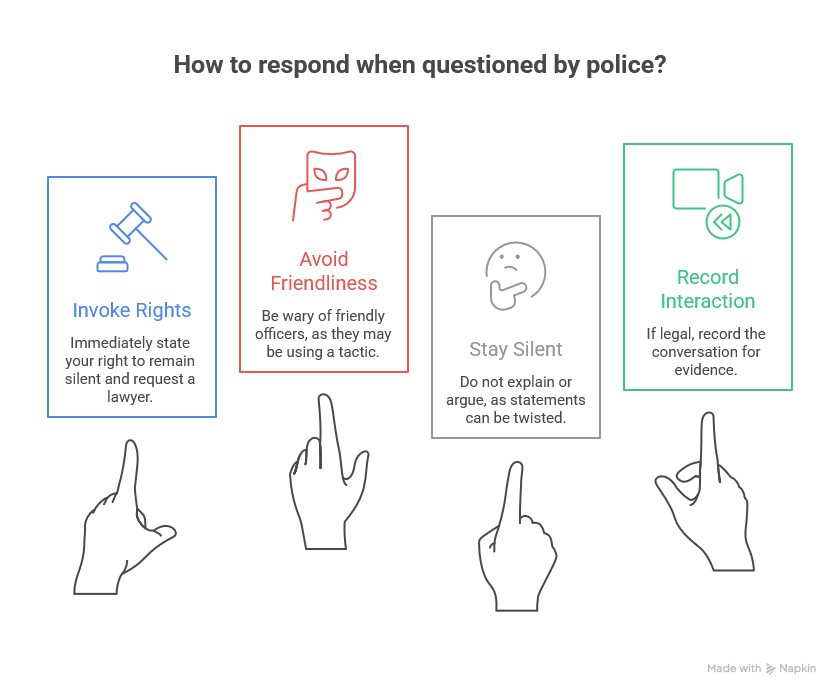
Knowing how to respond during police encounters can protect your rights and calm the situation. Officers may use legal lies to get information. Staying calm and informed helps you handle these moments wisely. Here are key tips on how to respond effectively.
Staying Calm Under Pressure
Take deep breaths to keep your nerves steady. Speak clearly and slowly. Avoid sudden movements that may raise suspicion. Keep your hands visible and follow instructions politely. Staying calm shows you are cooperative without giving away too much.
Knowing Your Rights
You have the right to remain silent. You do not have to answer questions without a lawyer. You can ask if you are free to leave. Remember, you do not have to consent to searches. Knowing these rights helps you stay confident and protect yourself.
When To Request A Lawyer
Ask for a lawyer if the questions get serious. Do this before answering anything that might be used against you. A lawyer can guide you through the process and protect your interests. Requesting a lawyer is your right and a smart step.
Real-life Cases
Police deception during investigations is more common than many realize. Courts allow officers to use certain lies to gather information or confessions. Real-life cases highlight how these tactics play out and their impact on suspects. These examples show the fine line between legal interrogation and coercion.
Examples Of Police Lies
Police sometimes claim they have evidence that does not exist. For example, officers may say they found fingerprints or witnesses linking a suspect to a crime. They might also pretend to have a search warrant ready. These lies aim to pressure suspects into talking or confessing. In some cases, officers falsely say that a co-defendant already confessed.
Consequences For False Confessions
False confessions can lead to wrongful convictions and long prison sentences. Many suspects confess because they trust the police or feel scared. Police lies can make suspects believe resistance is useless. Innocent people may admit to crimes they did not commit. These confessions can ruin lives and damage trust in the justice system.
Court Responses To Police Deception
Court reactions to police lies vary widely. Some judges allow confessions even if deception was used. Others may suppress confessions obtained through extreme trickery. Courts often assess if the suspect’s rights were violated. The key question is whether the confession was voluntary. Police lies that cause coercion can lead to case dismissals.
Important Limits (What Police Cannot Legally Do)
While deception is broad, there are boundaries:
If the lie + other factors make the confession involuntary (e.g., extreme psychological coercion), a court can suppress it.
They cannot promise specific, concrete leniency (e.g., “Confess and you’ll get probation” if they know that’s impossible).
They cannot threaten physical harm or family harm.
They cannot lie about your constitutional rights (e.g., “You don’t have the right to a lawyer right now”).
In a handful of states (Illinois, Oregon, Utah), lying to juveniles is now restricted or banned during interrogations.
Preventing Abuse
Preventing abuse in law enforcement is crucial to protect citizens’ rights and maintain trust. Police officers have significant power during investigations. This power can sometimes be misused, leading to abuse or wrongful convictions. Understanding how the system prevents such abuse is important for everyone.
Legal Protections
The law sets clear limits on police behavior. Rights like the Miranda warning protect against forced self-incrimination. Courts exclude evidence gained through illegal means. These rules help stop abuse during questioning and arrests. They ensure that police follow proper procedures.
Role Of Defense Attorneys
Defense lawyers act as a shield for suspects. They know the law and police tactics well. Attorneys challenge illegal evidence and unfair questioning. Their job is to protect clients from abuse. A strong defense can expose police misconduct and lies.
Advocacy And Reform Efforts
Many groups work to improve police accountability. They push for better training and clear rules. Reforms include body cameras and independent reviews. Public pressure helps change abusive practices. These efforts aim to build a fairer justice system.
Frequently Asked Questions
Can Police Legally Lie During Questioning?
Yes, police can legally lie to you during questioning to gain information or a confession. These tactics are allowed to encourage cooperation or reveal the truth.
What Common Lies Do Cops Tell Suspects?
Officers may lie about evidence, witness statements, or having a search warrant to pressure suspects. These lies are legal and used to obtain information.
How Should I Respond If A Cop Lies To Me?
Stay calm, do not admit guilt, and ask for a lawyer. Remember, anything you say can be used against you in court.
Are Police Lies Admissible In Court?
Yes, police lies are generally admissible as evidence. Courts allow deceptive tactics if they do not coerce or violate your rights.
Conclusion
Knowing that cops can legally lie helps you stay alert and cautious. Always think twice before sharing information during questioning. Remember, their goal is to get answers, not necessarily the full truth. Stay calm, keep your rights in mind, and ask for a lawyer if unsure.
Understanding these truths can protect you in tough situations. Stay informed and be prepared. It makes a difference.
Disclaimer: The content on this page is for general information only and should not be considered legal advice. We work hard to provide accurate and up-to-date details, but we can't guarantee the completeness or accuracy of the information. Laws and rules change often, and interpretations may vary. For specific advice, always consult a qualified legal expert. We are not liable for any actions you take based on this information. If you spot any errors or outdated content, please contact us, and we’ll update it as soon as possible.